VIETNAMESE MARKETS - WHERE THE LIFE OF EACH REGION REVEALS ITSELF MOST CLEARLY
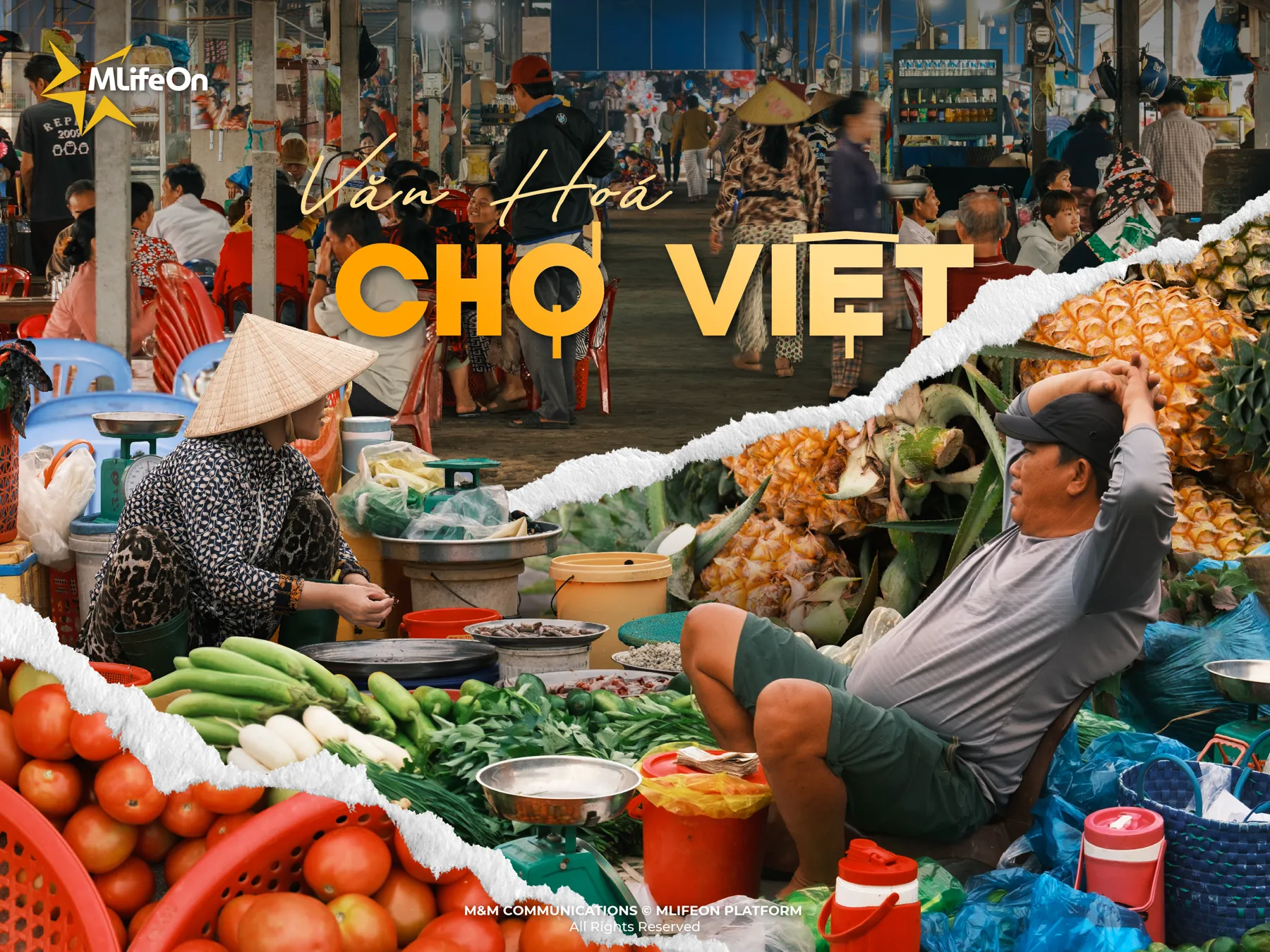
Vietnamese markets are not merely places of trade; they are the clearest reflections of local life, daily rhythms, and regional character - from river deltas and waterways to coastal shores.
Some markets gather on land, others drift with the water, some follow harvest seasons, while others exist only for a few short hours when fishing boats return to shore. Each market is a slice of life, and together they form the most complete portrait of Vietnamese living culture.
Vietnamese markets don’t need opening hours
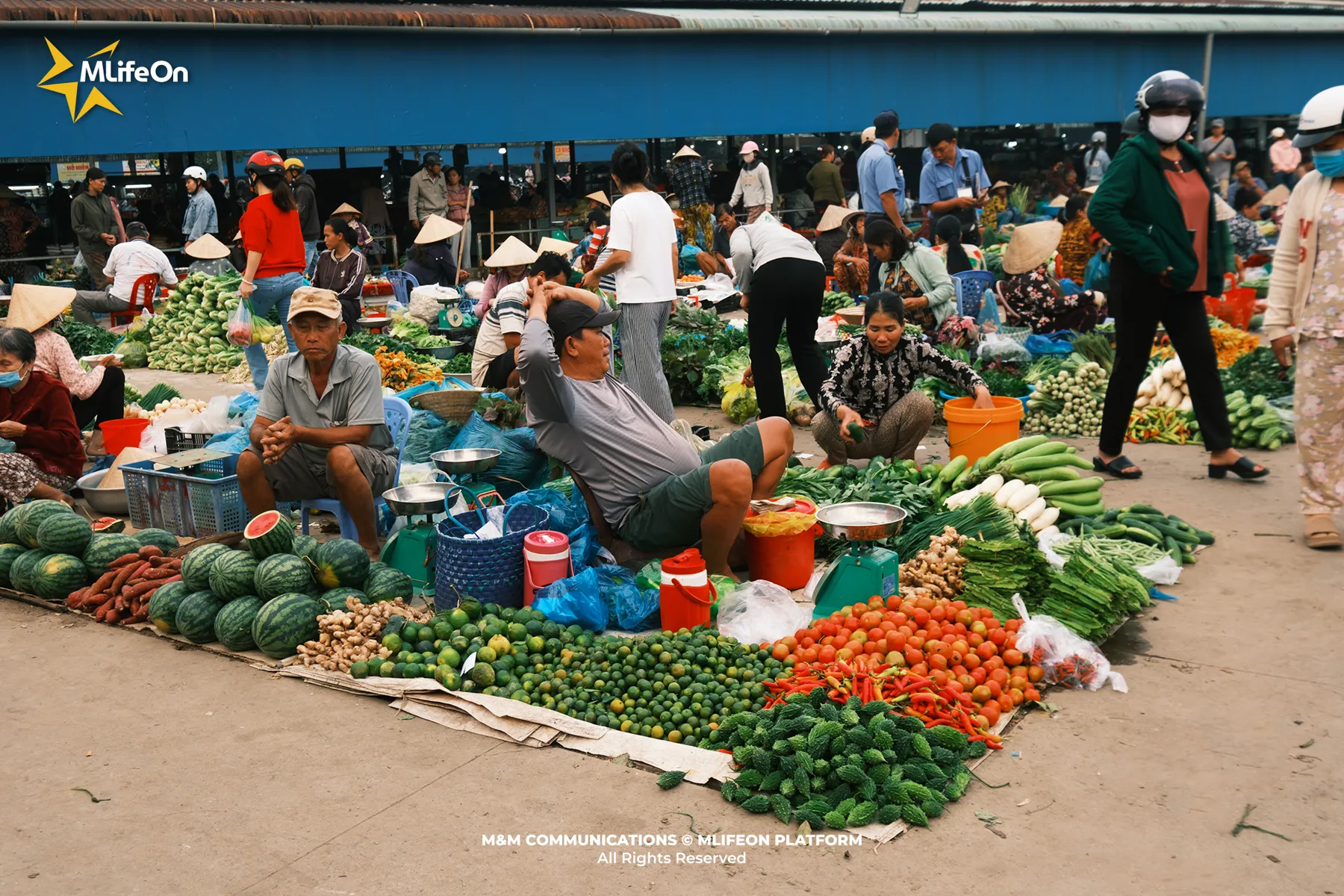
Vietnamese markets rarely operate according to fixed schedules. They don’t rely on "open" or "closed" signs. A market opens when there are people ready to sell and others ready to buy.
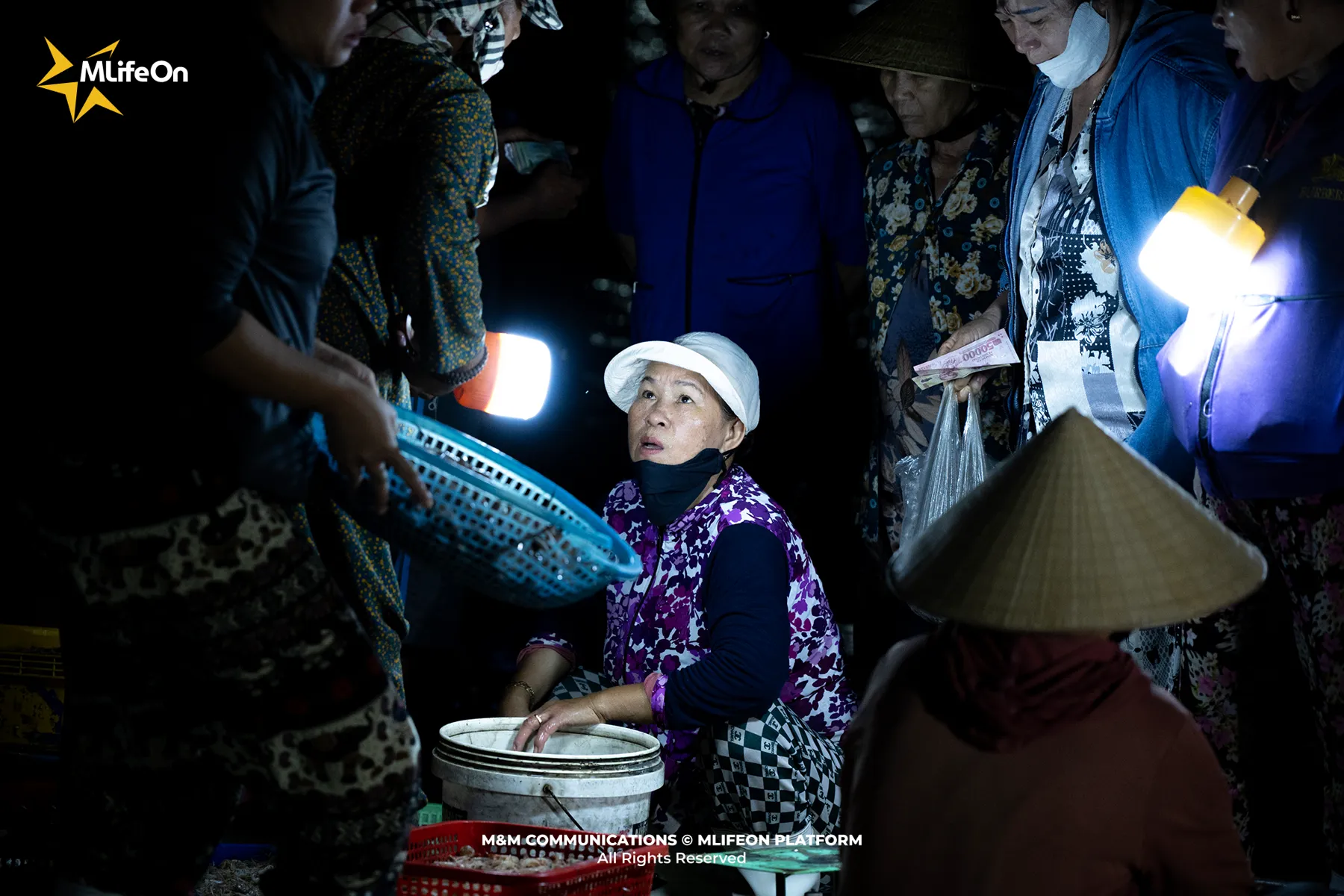
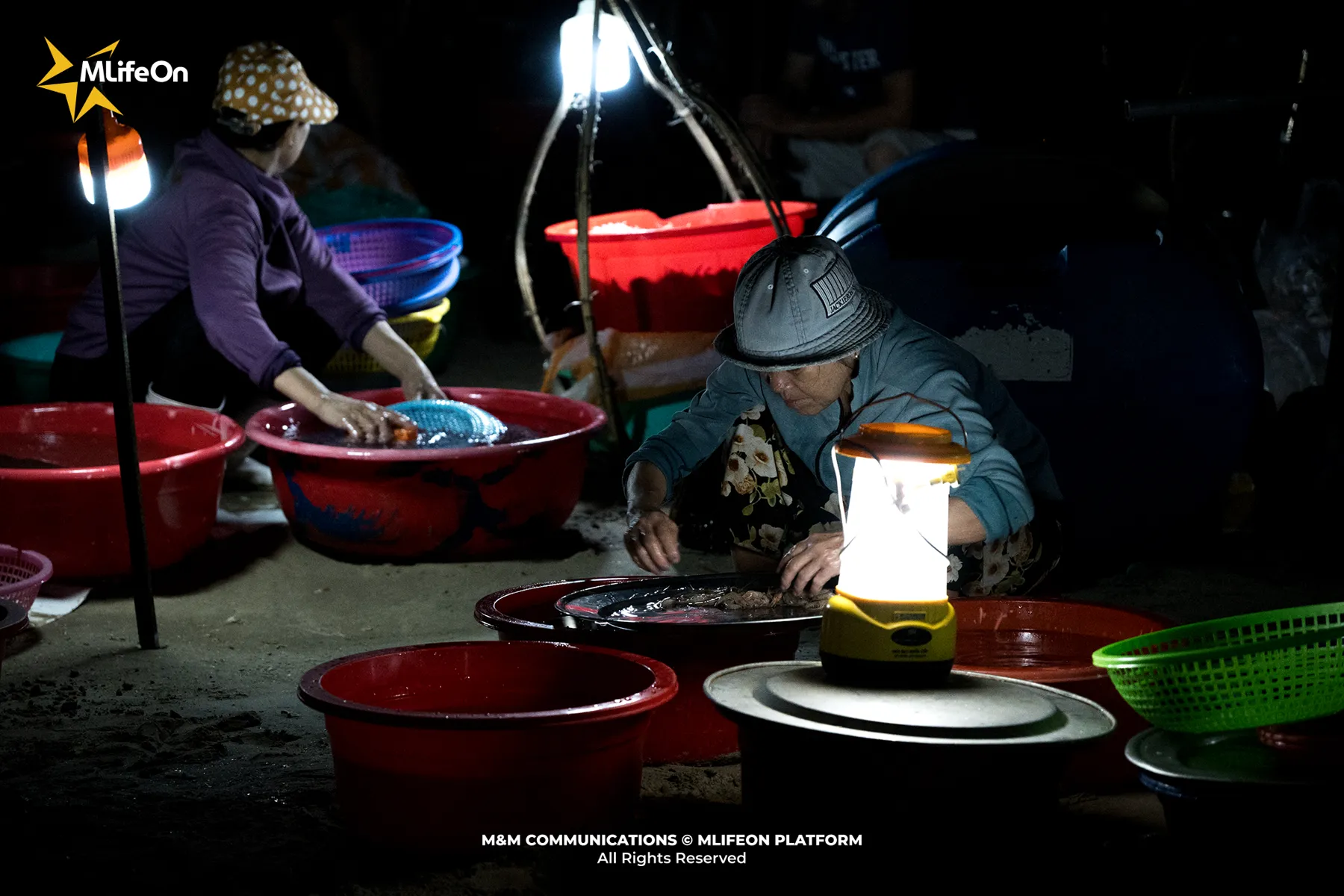
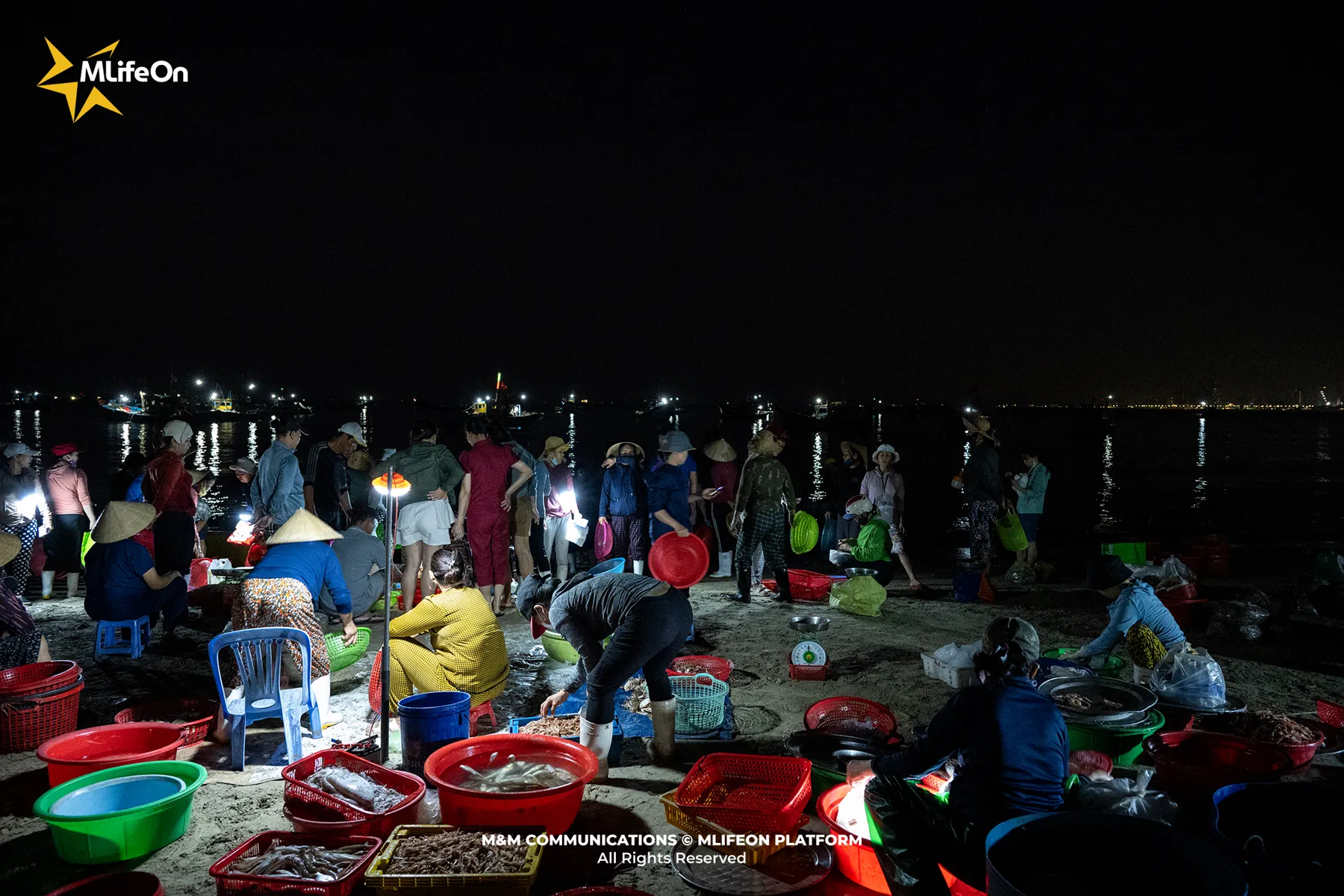
In coastal areas, such as Son Tra fish market, while the morning is still wrapped in mist, fishing boats return to shore and the market forms instantly on the sand. Fish still glisten with seawater as buyers and sellers stand close together, transactions happening swiftly before the sun rises too high. When the fish are gone, the market dissolves - no announcement needed.
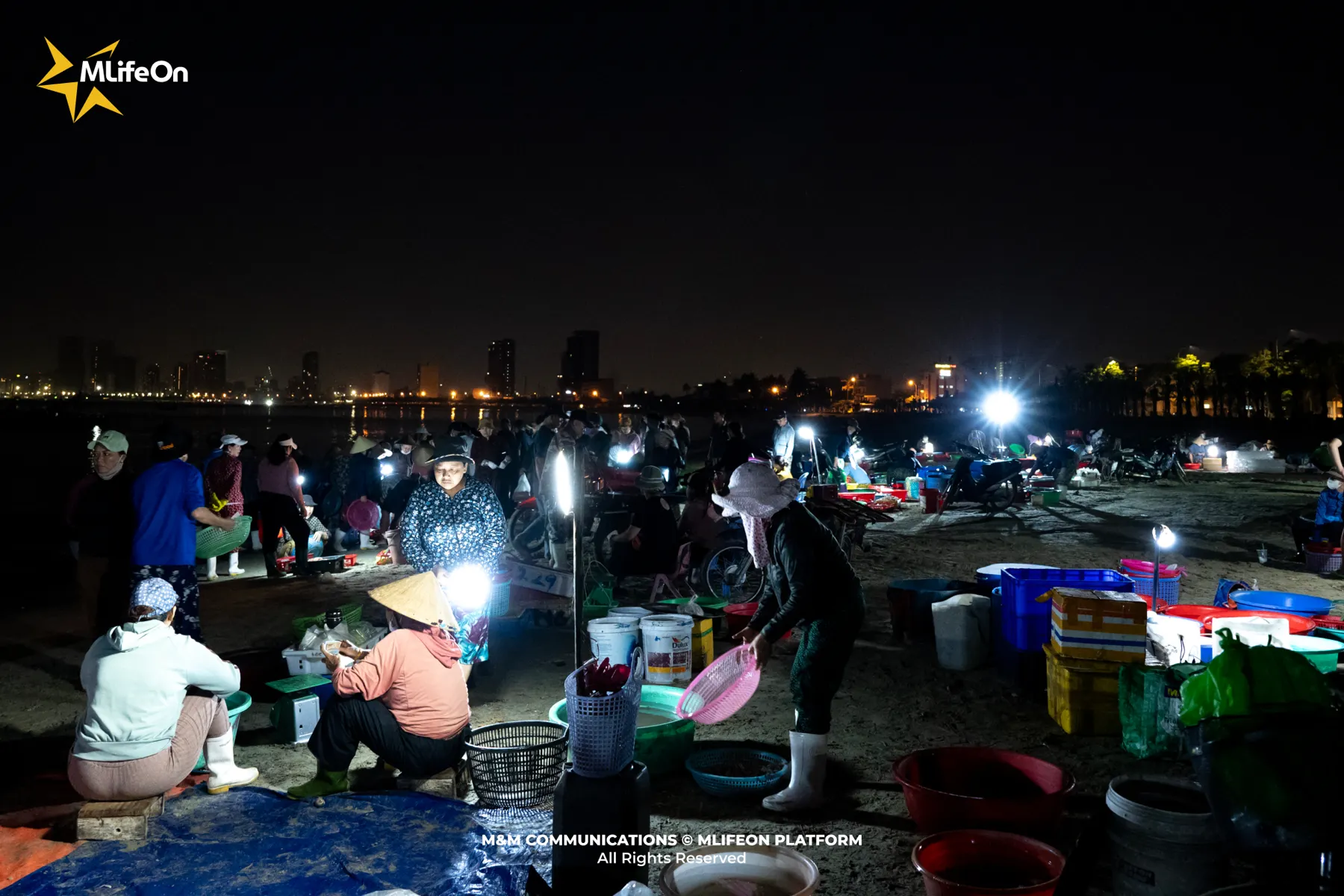
Son Tra fish market comes alive before the sun even rises
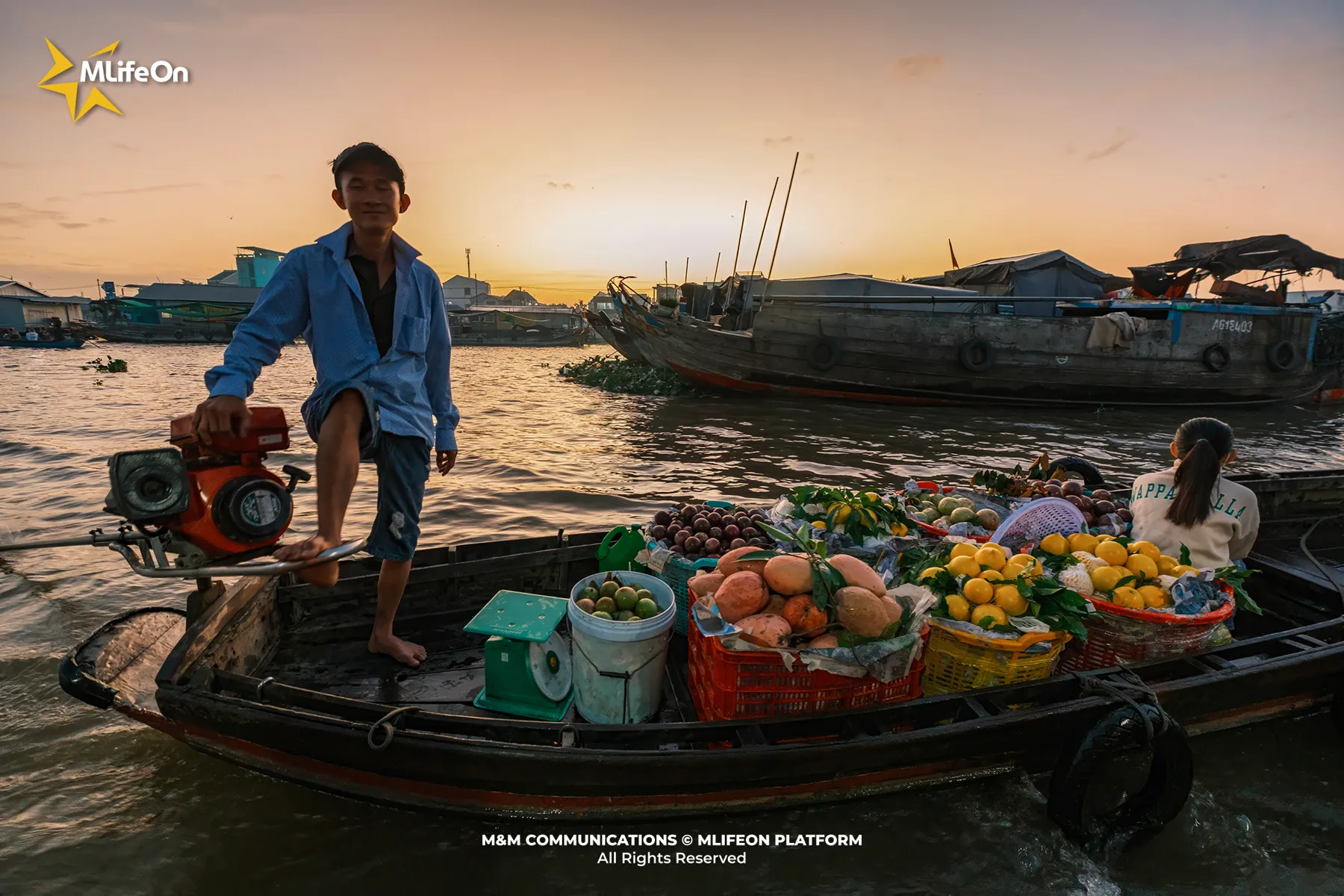
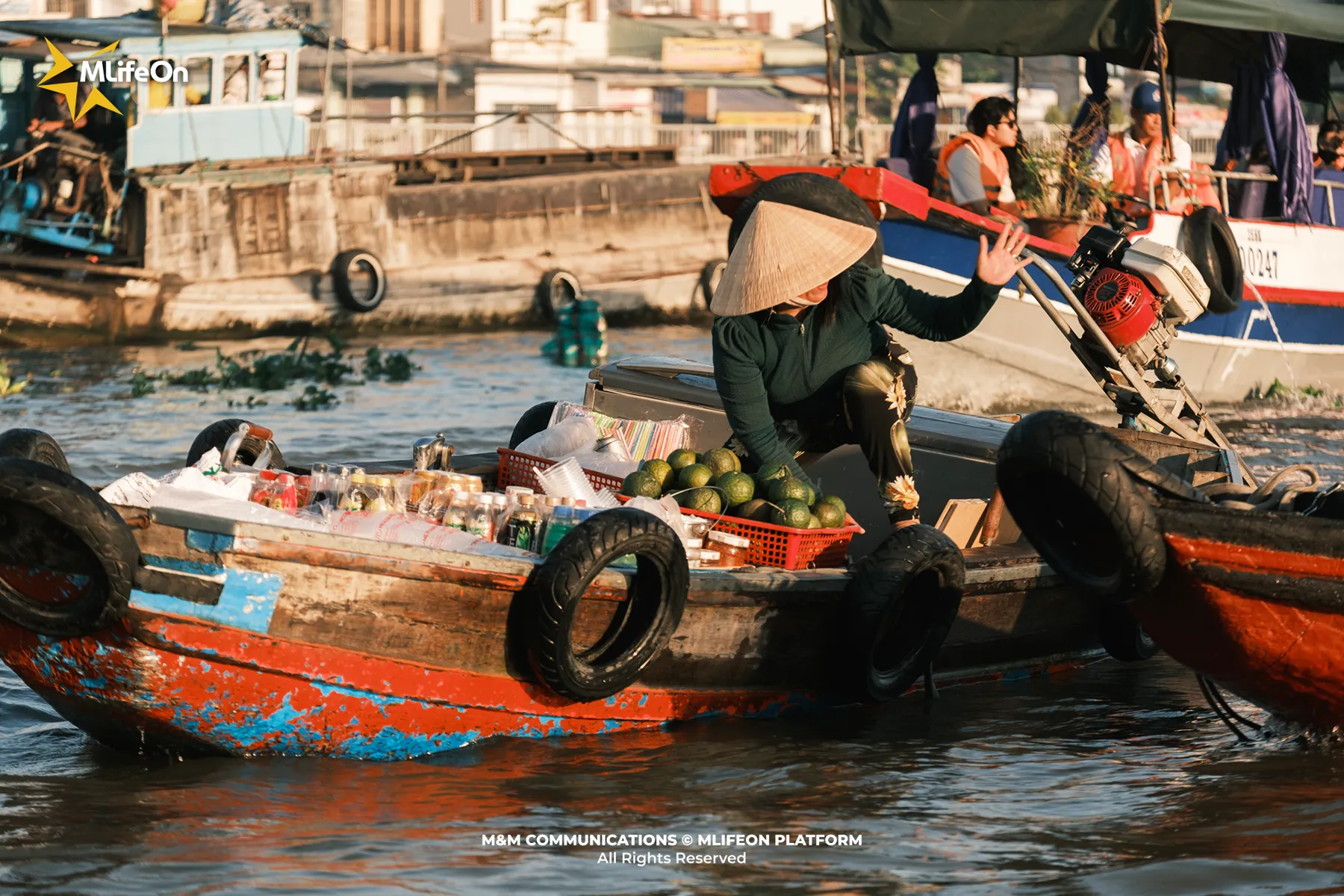
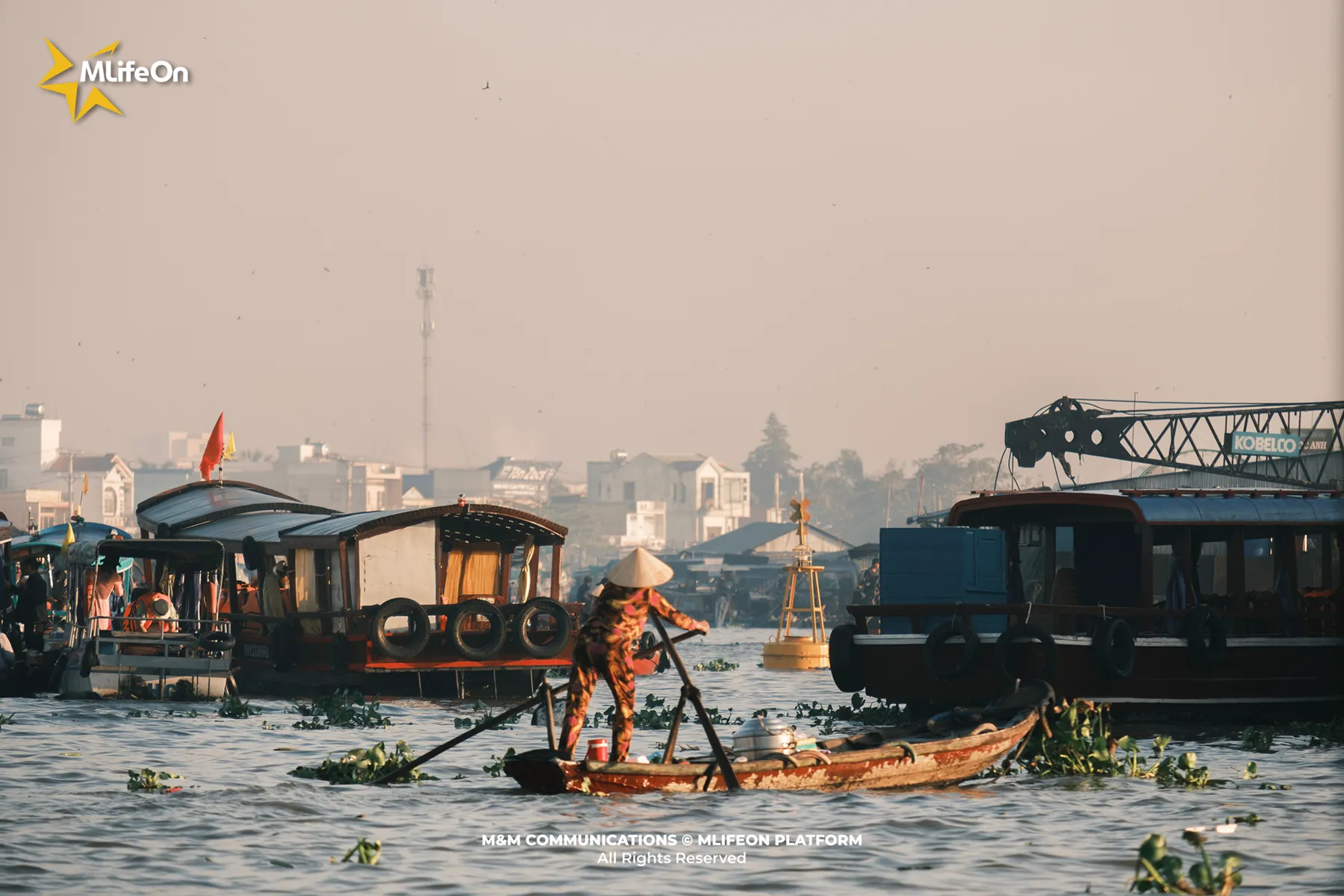
In the waterways of the Mekong Delta, floating markets like Cai Rang also begin at dawn. Before sunrise, boats cluster tightly on the river, goods hoisted high on wooden poles. The market moves with the ebbing tide and fades as the river changes its rhythm.
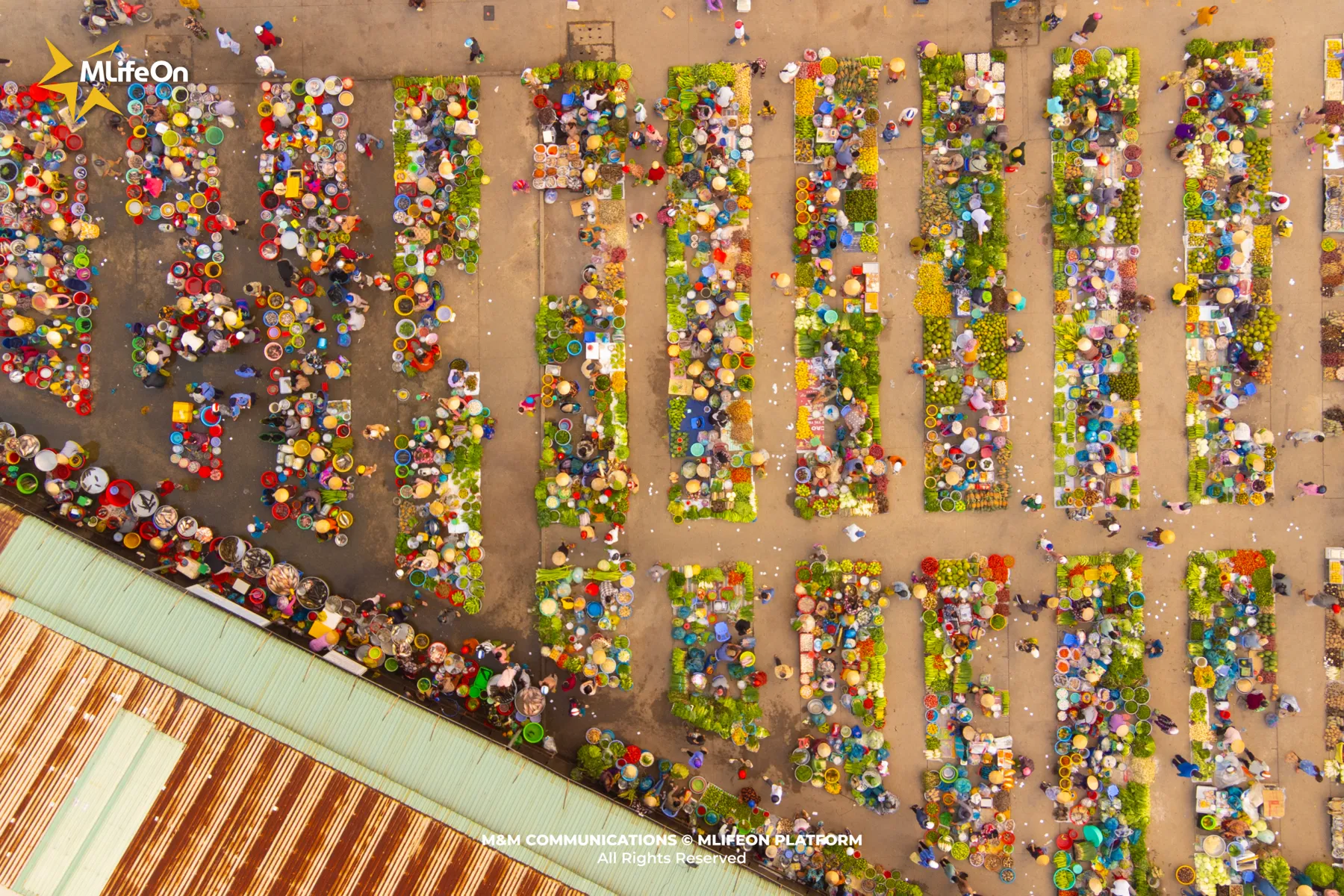
In traditional land markets such as Vi Thanh, vendors arrive before daybreak. Vegetables are freshly picked from backyard gardens, fish caught from nearby ponds, meat butchered just hours earlier.
Markets open not because the clock says so, but because people are ready to begin a day of making a living.
Vietnamese markets are built on "Fair buying, Fair selling"
"Fair buying, fair selling" is more than a familiar phrase - it is the unspoken principle that keeps Vietnamese markets running.
At the market, buyers may bargain and sellers may adjust prices, but most transactions are built on trust. Long-standing relationships are common: today’s purchase on credit, tomorrow’s repayment; lacking small change today, settling it next time. Markets operate more on human connection than on receipts.
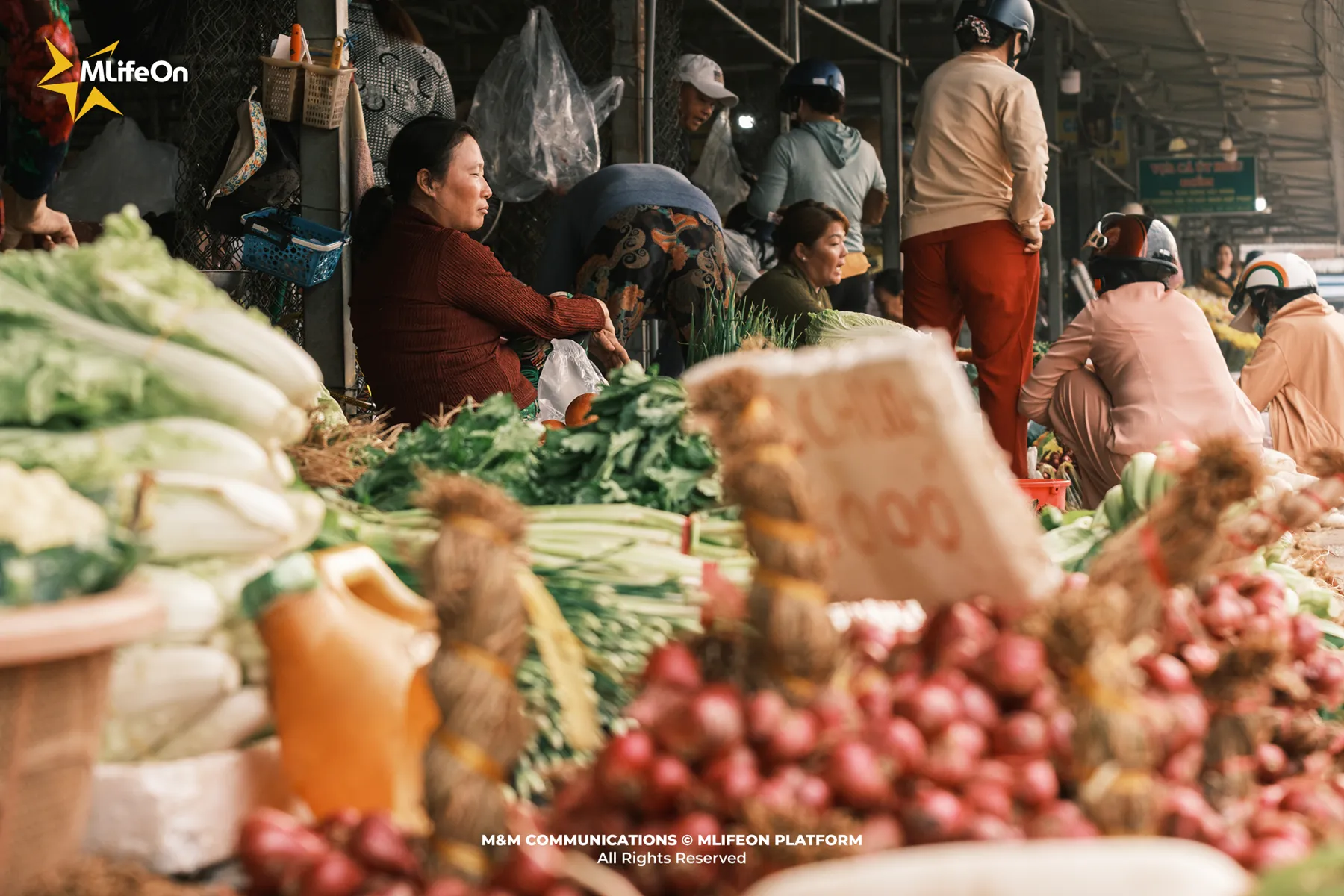
Whether it’s a fast-paced fish market by the sea, a floating market on the river, or a slow-moving flower market, flexibility is the common thread. Sellers understand the buyer’s situation; buyers recognize the hardship behind the seller’s work. Prices may vary slightly, but coldness and hostility are rare.
Vietnamese markets, therefore, are not just places where goods are exchanged - they are spaces where trust is traded.
Look at the market to understand regional lifestyles
Every market carries the rhythm of the land it belongs to.
Markets in the Mekong Delta are often unhurried and unpressured. Vendors are willing to linger in conversation, asking about harvests or family matters. Many goods come directly from the gardens behind their homes.
River markets reflect the adaptability of water-based communities. The river becomes the storefront, boats serve as stalls, and life, trade, and movement flow together with the current.
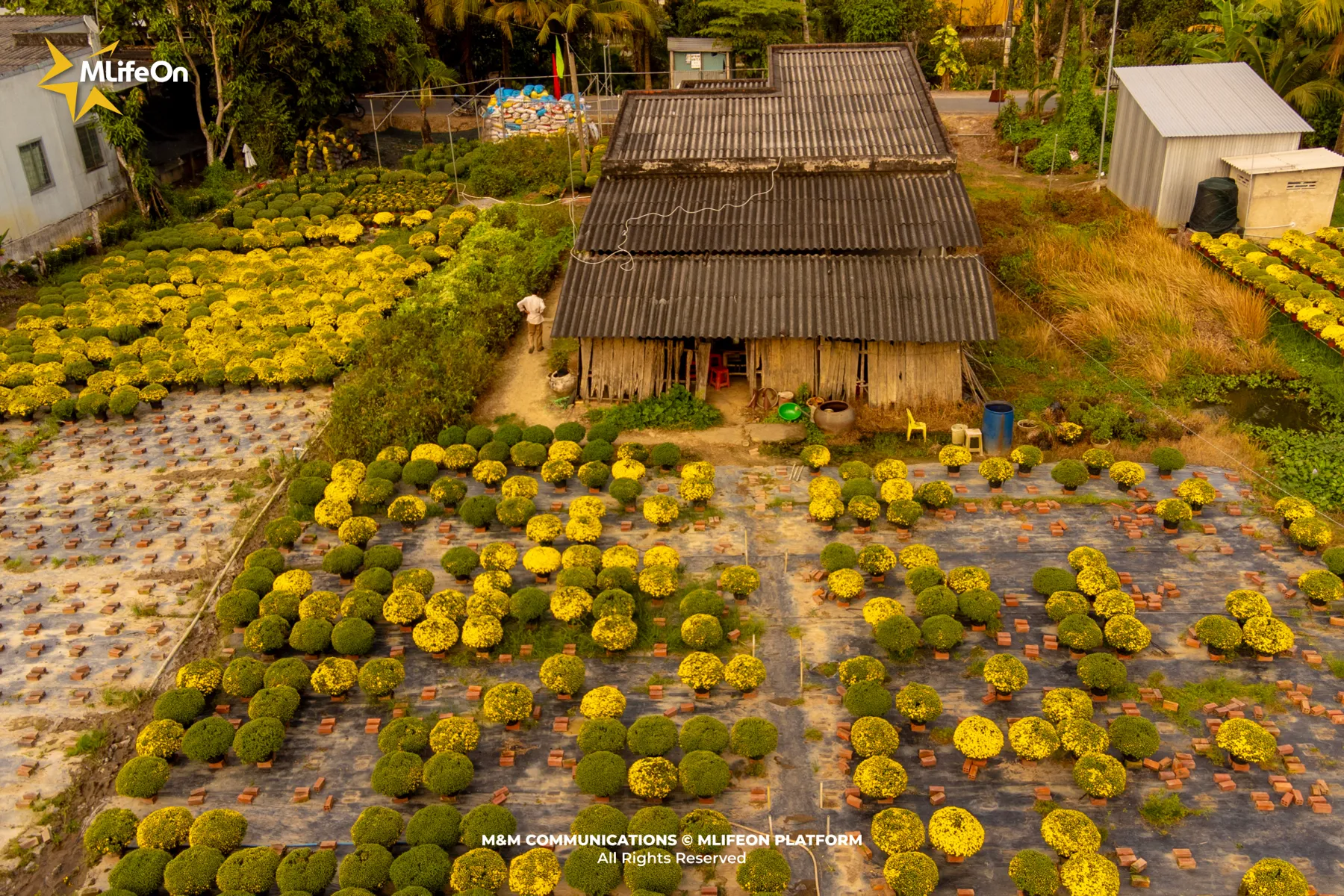
Flower markets, such as those in Cho Lach (Ben Tre), tell a different story. They follow seasons, planting cycles, and the natural growth of plants. Trade here comes with exchanges of experience and technique - not merely payment and receipt.
Coastal fish markets, by contrast, are brisk and practical. Time dictates everything. Transactions move fast because fish cannot wait, and neither does the sea.
Simply by observing how a market gathers, one can understand whether a region lives quickly or slowly, how deeply it depends on nature, and what it values most in daily life.
Markets are where people learn to live together
Vietnamese markets are not perfect. They can be noisy, crowded, even competitive. But it is precisely there that people learn how to coexist.
At the market, people learn how to speak, how to read expressions and tones of voice. They learn to step aside, to wait their turn, and even to bargain without causing offense.
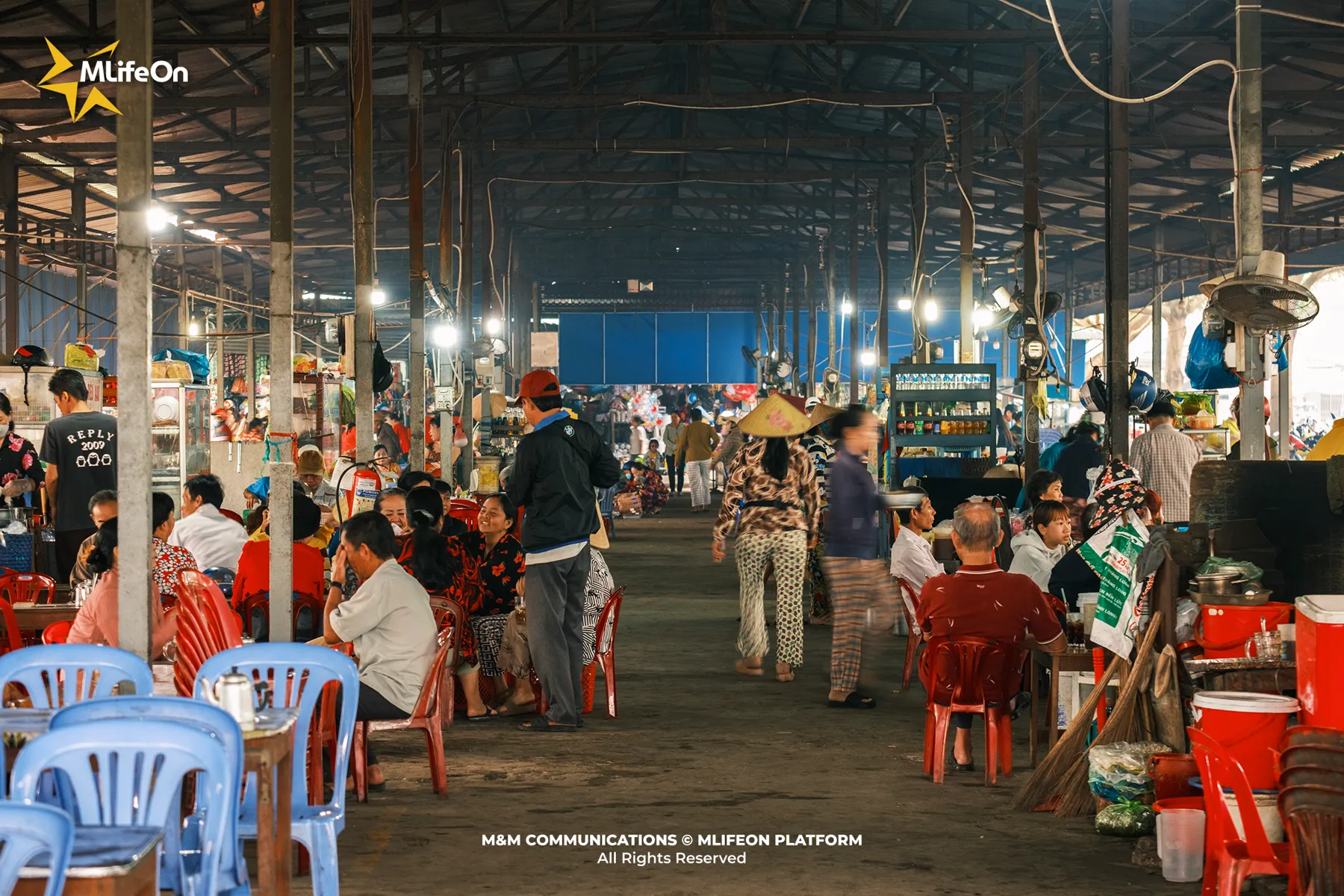
For many, the market is their first "social classroom". Children follow their mothers to the market, listening to adult conversations and observing how people treat one another. Elderly people go to the market not only to shop, but to meet others and maintain a sense of belonging.
Markets are what keep human connections from breaking in an increasingly closed-off modern life.
Traditional markets - Where the very essence of Vietnamese life remains
With the rise of supermarkets and convenience stores, many assume that traditional markets will eventually disappear. Reality suggests otherwise. Markets may shrink, relocate, or operate more quickly - but they persist.
Supermarkets are clean and efficient, yet they lack the human interaction that markets naturally foster.
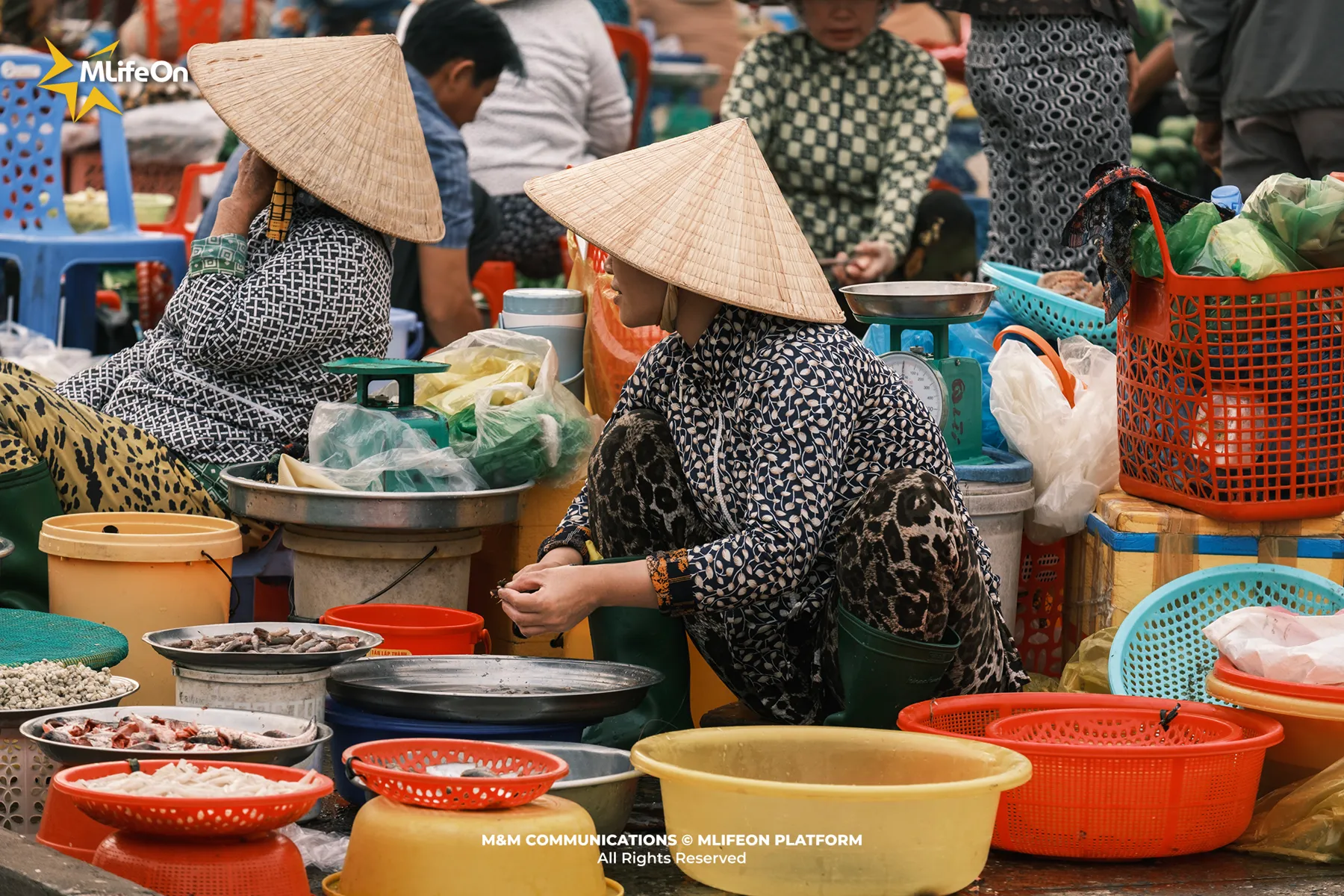
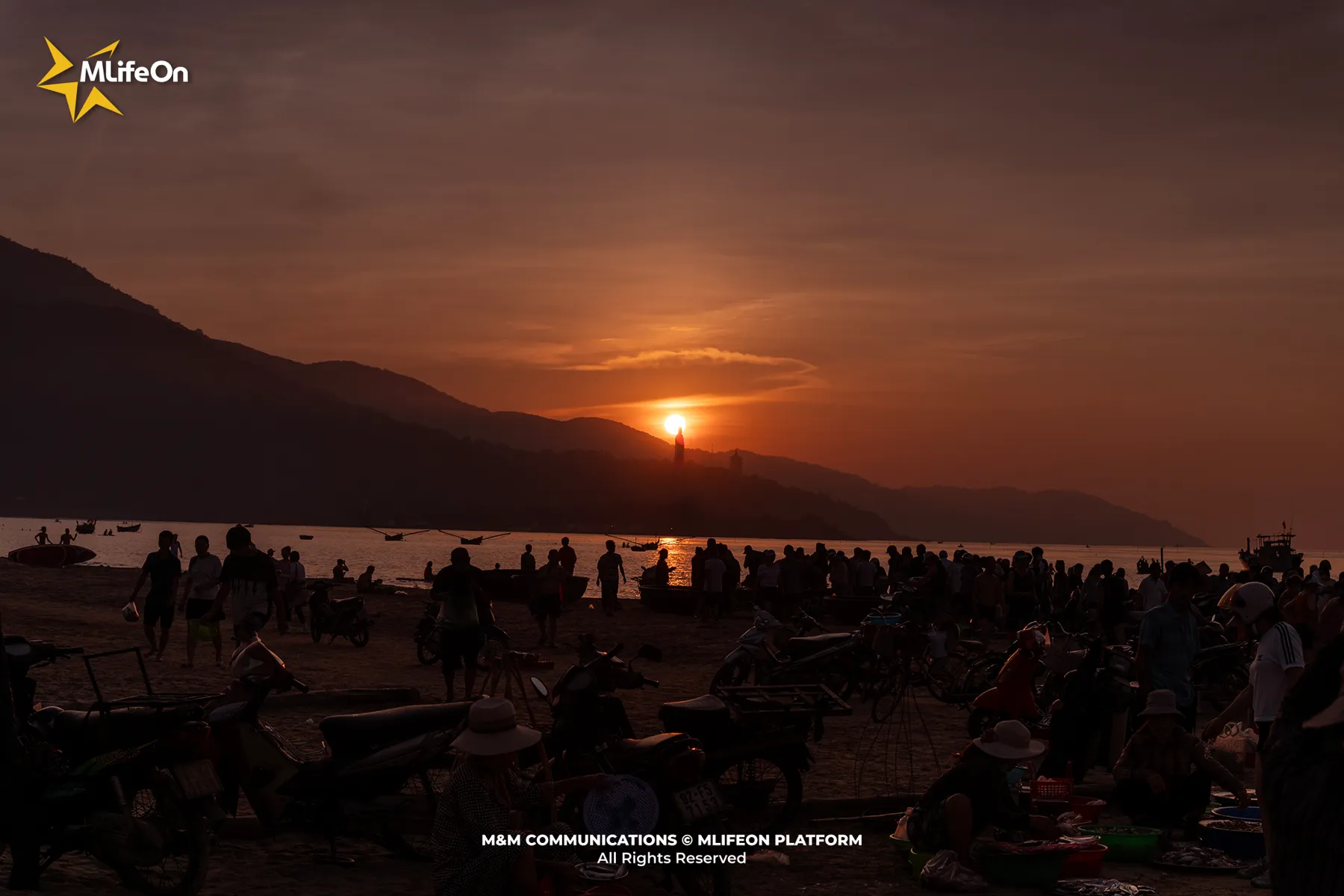
Markets adapt over time, much like the Vietnamese people themselves - always finding ways to live within new circumstances while preserving what matters most at the core.
Conclusion
Vietnamese market culture is not defined by appearances, but by how people live together through each market gathering. From coastlines to rivers, from backyard gardens to land-based markets, Vietnamese markets reflect the truest rhythm of regional life.
Just step into a market and you’ll understand.
—---------
CREDIT:
- Photography: Luan Nguyen
- Content: Hoai Ha
- Design: Trung Huynh