Vietnamese Desserts Sydney: Guide to Chè and Sweet Treats (2025)
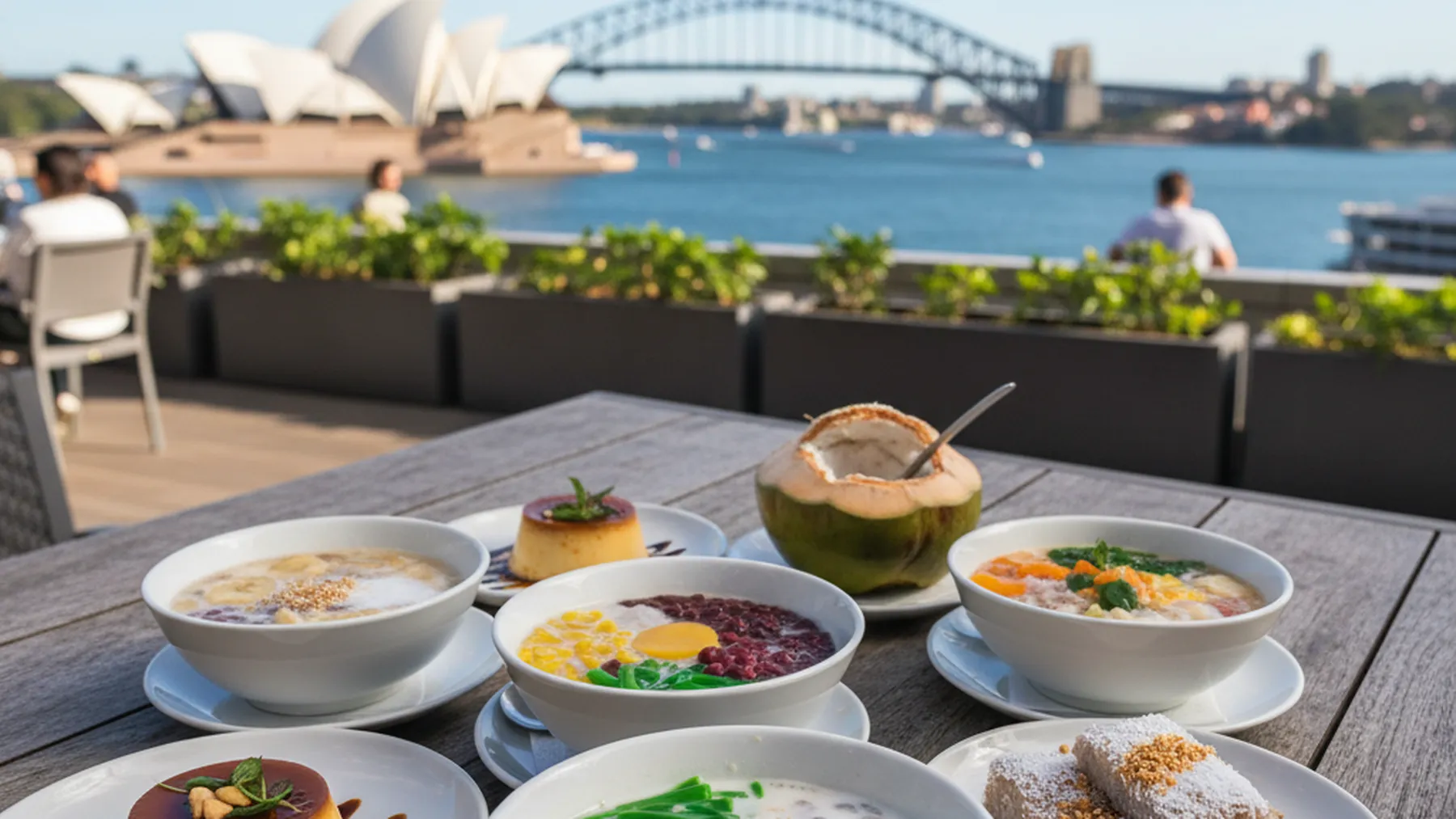
As a Vietnamese-Australian, here's my guide to Vietnamese desserts in Sydney. From traditional chè (sweet soup) to modern interpretations, understand what makes Vietnamese desserts special and where to find the best.
Why Vietnamese Desserts Are Misunderstood
I'm Vietnamese-Australian, and Vietnamese desserts are the hardest part of my culture to explain to non-Vietnamese friends. 'Sweet bean soup' doesn't sound appealing. 'Shaved ice with jelly and condensed milk' sounds weird. 'Sticky rice with mung beans' sounds like a savory dish.
But Vietnamese desserts are delicious - you just have to understand them on their own terms, not compare them to Western cakes and ice cream. They're less sweet, more textural, often served cold or at room temperature, and focus on natural flavors.
This guide will help you navigate Vietnamese desserts in Sydney, from traditional chè to modern Vietnamese-Australian fusion sweets.
What Is Chè?
The Foundation of Vietnamese Desserts
Chè (pronounced 'cheh') is the umbrella term for Vietnamese sweet soups and puddings. It's not one thing - it's a category containing hundreds of variations.
Common characteristics:
- Sweet but not overly sweet
- Multiple textures in one bowl
- Often contains beans, jellies, tapioca
- Served cold, warm, or room temperature
- Coconut milk is common
- More refreshing than rich
Cultural context: In Vietnam, chè is street food. Vendors sell it from carts, people eat it as afternoon snack or light dessert. It's cheap, refreshing, not fancy.
Common Types of Chè
1. Chè Ba Màu (Three-Color Dessert)
What it is: Layers of different colored beans, jellies, and ingredients topped with coconut milk and crushed ice.
Typical layers:
- Green mung bean paste
- Red beans (azuki)
- Yellow mung beans
- Pandan jelly
- Coconut milk
- Crushed ice
Taste and texture: Sweet, creamy from coconut milk, varied textures from soft beans to chewy jelly. Refreshing when cold.
Personal take: This is the most Instagram-friendly Vietnamese dessert. The layers look beautiful. It's also a good introduction to chè - not too weird, obviously sweet, fun textures.
2. Chè Chuối (Banana in Coconut Milk)
What it is: Bananas cooked in coconut milk with tapioca pearls.
Components:
- Ripe bananas (usually small finger bananas)
- Rich coconut milk
- Tapioca pearls
- Sometimes taro or sweet potato
Served: Warm usually, comfort food dessert.
Personal memory: My grandmother made this when I was sick. Warm, sweet, comforting. I associate it with being cared for.
3. Chè Đậu Đỏ (Sweet Red Bean Soup)
What it is: Sweetened red bean soup, simple and traditional.
Components:
- Red beans (azuki) cooked until soft
- Sugar or rock sugar
- Sometimes coconut cream on top
Served: Hot or cold.
Cultural note: This is everyday chè, not fancy. Very common in Vietnamese households. My mother makes huge batches and we eat it for days.
4. Chè Bưởi (Pomelo Sweet Soup)
What it is: Pomelo segments in sweet broth with jelly.
Components:
- Fresh pomelo segments
- Clear sweet broth
- Jelly or agar
- Ice
Taste: Light, citrusy, refreshing. Perfect for hot Sydney summers.
5. Chè Thái (Thai-Style Mixed Dessert)
What it is: Everything mixed together - the loaded version.
Typical ingredients:
- Multiple types of jelly
- Coconut strips
- Lychees or longan
- Basil seeds
- Condensed milk
- Coconut water or syrup
- Crushed ice
Personal take: This is chè maximalism. If you can't decide what you want, get this. It's chaotic but delicious.
Other Vietnamese Desserts
Bánh Flan (Vietnamese Caramel Custard)
What it is: Vietnamese version of crème caramel.
How it's different from French version:
- Denser, firmer texture
- Often made with coffee flavoring
- More caramel sauce
- Sweeter overall
Where Vietnamese got it: French colonial influence, completely Vietnamized.
Personal take: This is the Vietnamese dessert Western people understand immediately. It's familiar - custard, caramel - but distinctly Vietnamese in execution.
Xôi (Sticky Rice Desserts)
Sweet sticky rice comes in many forms:
1. Xôi Lá Dứa (Pandan Sticky Rice)
- Green sticky rice from pandan
- Topped with coconut cream
- Sometimes mung bean paste
2. Xôi Vò (Pillowy Sticky Rice)
- Soft sticky rice
- Wrapped around mung bean paste
- Rolled in coconut
3. Xôi Xoài (Mango Sticky Rice)
- Thai influence but found in Vietnamese shops
- Sweet sticky rice
- Fresh mango
- Coconut cream
Cultural note: Xôi can be sweet or savory. Don't assume sticky rice equals dessert in Vietnamese cuisine.
Bánh (Vietnamese Cakes and Pastries)
1. Bánh Bò (Steamed Rice Cake)
- Spongy, chewy texture
- Honeycomb appearance
- Coconut or pandan flavor
- Not very sweet
2. Bánh Da Lợn (Layer Cake)
- Layers of mung bean and tapioca
- Chewy, dense texture
- Green and white layers
- Pandan flavor
Personal take: These are hard to explain to non-Vietnamese. They're not cake-like, they're gelatinous and chewy. Acquired taste for many Westerners, comfort food for Vietnamese.
Vietnamese Fruit-Based Desserts
- Rau Câu (Agar Jelly): Flavored jelly desserts, often very colorful
- Sinh Tố (Fruit Smoothies): Fresh fruit blended with condensed milk and ice
- Fresh Fruit with Salt and Chili: Not traditional dessert but common treat
Best Places for Vietnamese Desserts in Sydney
Cabramatta: Traditional Chè Specialists
1. Chè Sài Gòn (John Street)
The verdict: Best traditional chè in Sydney.
What to order:
- Chè ba màu: $6. Perfect layers, generous portions
- Chè thái: $7. Everything in one bowl
- Chè chuối: $6. Warm comfort dessert
Vibe: Simple shop, plastic furniture, Vietnamese aunties running it. No English menu, but they'll explain options. Authentic as it gets.
Personal take: This is where my family gets chè. The quality is exactly like Vietnam - same taste, same texture, same generous portions. It's not trendy, it's not Instagram-focused, it's just good chè.
2. Various Bakeries in Cabramatta
Most Vietnamese bakeries sell:
- Bánh flan: $3-4 each
- Bánh bò: $5-6
- Various cakes and jellies
- Often made fresh daily
Marrickville: Modern Vietnamese Desserts
Tella Balls (Illawarra Road)
The verdict: Chè for the Instagram generation.
What's different:
- Modern, colorful presentation
- Chè served in clear cups showing layers
- English menu with descriptions
- $7-9 (more expensive than Cabramatta)
- Bright, fun aesthetic
What to order:
- Chè ba màu: $7. Beautiful presentation
- Seasonal specials: They innovate while respecting tradition
- Coffee with chè: $8. Two Vietnamese traditions combined
Personal take: This is Vietnamese desserts translated for non-Vietnamese audiences without losing authenticity. The quality is good, my parents approve of the taste. The difference is presentation and price. Worth it if you're in Marrickville and want a nice space to sit.
Read more: Complete Marrickville Vietnamese Guide
Various Locations: Vietnamese Dessert Drinks
Most Vietnamese restaurants and cafes offer:
- Sinh tố (smoothies): $5-7
- Nước mía (sugarcane juice): $4-5
- Soda chanh (lime soda): $4-5
- Trà đá (iced tea): Often free
How to Order Vietnamese Desserts
What to Ask
At traditional Vietnamese shops:
- 'What's your most popular chè?' - Safe choice
- 'What's cold/hot today?' - Temperature preferences
- 'Can you explain what's in this?' - They'll describe ingredients
Common questions they'll ask you:
- 'Hot or cold?' - Most chè can be served either way
- 'More ice?' or 'Less sweet?' - Customization options
Managing Expectations
For first-timers:
- Start with chè ba màu - most approachable
- Expect different textures than Western desserts
- It's less sweet than you might expect
- Beans in dessert is normal, not weird
- Texture is half the point
What might surprise you:
- Lukewarm temperature (some chè is served room temp)
- Chewiness (jelly, tapioca, mochi)
- Beans (they're sweet, not savory)
- Coconut milk (rich but not ice cream)
Making Vietnamese Desserts at Home
Easiest to Make
1. Chè Đậu Đỏ (Red Bean Soup)
Ingredients:
- Red beans (azuki)
- Sugar or rock sugar
- Water
- Optional: coconut cream
Process:
- Soak beans overnight
- Boil until soft (2-3 hours)
- Add sugar to taste
- Serve hot or cold
Cost: $5 makes enough for 4-6 servings.
2. Sinh Tố (Fruit Smoothie)
Ingredients:
- Any fruit (mango, avocado, durian popular)
- Condensed milk
- Ice
Process: Blend everything together. That's it.
Personal tip: Use more condensed milk than you think. Vietnamese smoothies are sweet.
Harder to Make (But Possible)
Chè Ba Màu:
- Requires multiple components made separately
- Time-consuming but not difficult
- Need Asian grocery ingredients
Bánh Flan:
- Requires steaming setup
- Technique-sensitive
- Possible with practice
Not Worth Making at Home
- Bánh bò: Requires special equipment, technique is tricky
- Complex chè: Too many components, buying is easier
- Jellies and agar desserts: Cheap to buy, time-consuming to make
Vietnamese Desserts and Health
Are They Healthy?
Compared to Western desserts:
Pros:
- Less sugar overall
- Often contain beans (protein, fiber)
- Use natural ingredients
- Coconut milk vs. dairy cream
- No artificial flavors in traditional versions
Cons:
- Condensed milk is very sweet
- Coconut milk is high fat
- Still dessert, still treat food
Personal perspective: Vietnamese desserts aren't health food, but they're less aggressively sweet than Western desserts. My dentist approves.
Dietary Considerations
- Vegan: Many chè are naturally vegan or can be made vegan (skip condensed milk)
- Dairy-free: Most use coconut milk, not dairy
- Gluten-free: Most are naturally gluten-free (rice, beans, tapioca)
- Nut-free: Usually nut-free, but check for peanuts occasionally
Cultural Context: Why Vietnamese Desserts Are Different
Philosophy of Sweetness
Vietnamese desserts reflect different approach to sweets:
- Balance: Sweet but not overwhelming, texture matters as much as taste
- Natural: Ingredients taste like themselves (beans taste like beans)
- Refreshing: Meant to cool and refresh, not indulge
- Light: You shouldn't feel heavy after eating
Western desserts: Rich, indulgent, sweet-focused
Vietnamese desserts: Light, textural, balanced
Historical Context
- Tropical climate: Desserts needed to be refreshing, not heavy
- French influence: Bánh flan, coffee-flavored desserts
- Chinese influence: Bean-based desserts, agar jellies
- Indigenous: Coconut, tropical fruits, rice-based sweets
Vietnamese desserts are fusion before fusion was a concept.
Vietnamese Desserts Across Generations
First Generation (My Parents)
- Grew up eating chè as street food
- Make traditional desserts at home
- Very particular about authenticity
- Don't understand expensive trendy versions
Second Generation (Me)
- Appreciate both traditional and modern
- Willing to pay more for nice presentation
- Understand the translation needed for non-Vietnamese
- Sometimes miss the simplicity of traditional versions
Third Generation
- Vietnamese desserts are 'ethnic' food
- More comfortable with Western desserts
- Appreciate Vietnamese desserts but don't crave them
Final Recommendations
Best Traditional Chè
Chè Sài Gòn (Cabramatta) - Authentic, cheap, excellent quality.
Best Modern Vietnamese Desserts
Tella Balls (Marrickville) - Beautiful presentation, good quality, approachable.
Best for First-Timers
Tella Balls - English menu, explanations, beautiful presentation makes Vietnamese desserts less intimidating.
Best Value
Any Cabramatta dessert shop - $5-7 for generous portions.
Best Dessert Drink
Sinh tố bơ (avocado smoothie) - Sounds weird, tastes amazing. Most Vietnamese cafes make this.
Vietnamese desserts are an acquired taste for many non-Vietnamese, but they're worth understanding. They represent a different philosophy of sweetness - less is more, texture matters, natural flavors shine.
In Sydney, we're lucky to have both traditional chè shops serving the Vietnamese community and modern Vietnamese dessert places introducing new audiences to these treats. Both have value.
Start with chè ba màu. If you like it, explore from there. If you don't, that's okay too - but at least you've tried something genuinely different from Western desserts.
And if anyone offers you durian smoothie, say yes. Trust me.
Related Articles: