Sydney's Vietnamese Community: Culture, Temples & Traditions
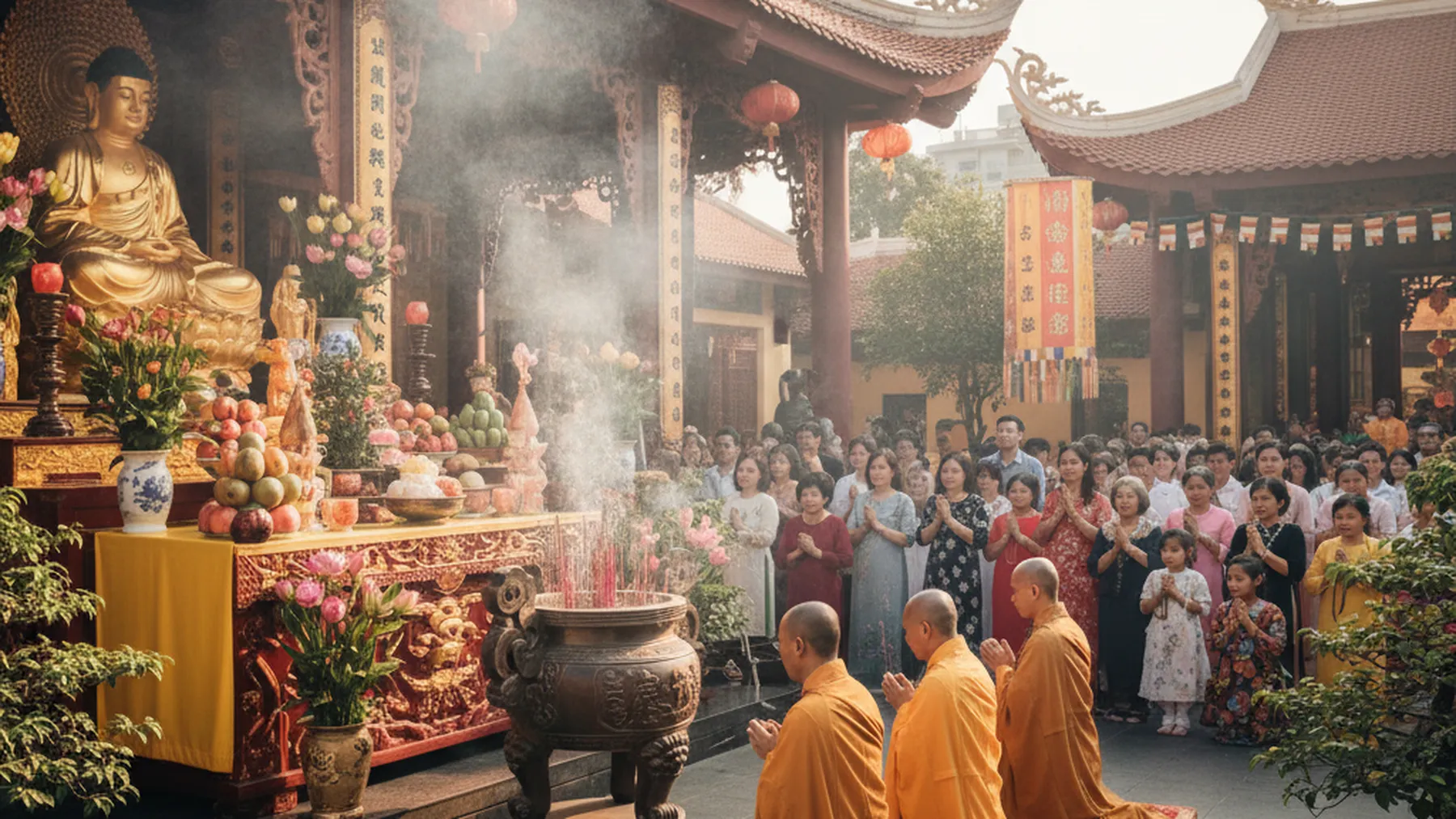
As a second-generation Vietnamese-Australian, I'm sharing the complete community guide: 100,000+ Vietnamese in Sydney, major Buddhist temples (Phuoc Hue, Quang Minh) with visiting etiquette, Tet celebrations explained, generational differences, language schools, media, business success (nail salons to professionals), navigating Vietnamese-Australian identity, racism experiences, and support services. For Vietnamese visitors: how to connect with community. For Australians: understanding Vietnamese-Australian life beyond stereotypes.
Sydney's Thriving Vietnamese Diaspora
Sydney is home to over 100,000 Vietnamese-Australians – the third-largest Vietnamese diaspora city globally after Los Angeles and Paris. As a second-generation Vietnamese-Australian born here, I've watched our community evolve from struggling refugees to successful, integrated, yet culturally-proud Australians.
This isn't just about numbers – it's about temples, language schools, cultural festivals, business networks, and the daily negotiation of Vietnamese-Australian identity. Our community maintains Vietnamese culture while embracing Australian life, creating something unique: Vietnamese-Australian culture that's neither purely Vietnamese nor purely Australian, but genuinely both.
For Vietnamese visitors: Sydney's Vietnamese community will welcome you warmly. We love connecting with Vietnamese from Vietnam, sharing stories, and maintaining ties to our homeland. For non-Vietnamese Australians: this guide opens windows into Vietnamese-Australian life beyond stereotypes and food tourism.
Demographics & Settlement Patterns
Where Vietnamese Live in Sydney
Western Sydney (Largest concentration):
• Cabramatta: 40% Vietnamese, cultural heartland
• Bankstown: 15% Vietnamese, family-oriented
• Fairfield: 20% Vietnamese, working-class roots
• Canley Vale/Canley Heights: 25% Vietnamese
• Yagoona: Growing Vietnamese population
Southwest Sydney:
• Liverpool: Vietnamese suburbs emerging
• Wetherill Park: Major temple location
• Bonnyrigg: Vietnamese shopping precincts
Eastern Suburbs:
• Kingsford/Kensington: Student Vietnamese near UNSW
• Randwick: Professional Vietnamese
• Smaller concentrations but visible presence
Inner West:
• Marrickville: Young Vietnamese-Australians, gentrification
• Ashfield: Mixed Asian communities including Vietnamese
Most Vietnamese live in Western and Southwestern Sydney – affordable housing, established communities, cultural infrastructure. Eastern suburbs have wealthier, more assimilated Vietnamese populations.
Generational Differences
First Generation (Refugees, 1975-1990s):
• Speak Vietnamese primarily
• Traditional values
• Strong cultural preservation
• Business owners, factory workers
• Now mostly retired
• My parents' generation
Second Generation (Australian-born, 1980s-2000s):
• Bilingual (Vietnamese at home, English elsewhere)
• Navigate both cultures
• Professional careers (doctors, lawyers, engineers)
• Cultural pride but Australian identity
• Me and my peers
Third Generation (Australian-born to 2nd gen, 2000s-present):
• Often English-dominant
• More Australian than Vietnamese culturally
• Cultural connection through food and festivals
• Diverse career paths
• My children's generation
Vietnamese Buddhist Temples in Sydney
Temples are spiritual and community centers – not just religious spaces but cultural hubs where Vietnamese language, traditions, and identity are maintained.
Phuoc Hue Temple (Wetherill Park)
The largest Vietnamese Buddhist temple in Australia. Magnificent architecture, extensive grounds, and the spiritual center for thousands of Vietnamese-Australians.
History: Founded 1980s by Vietnamese refugee monks. Built entirely through community donations and volunteer labor.
Tradition: Vietnamese Mahayana Buddhism (Northern tradition)
Services:
• Sunday services in Vietnamese (9am)
• Meditation classes
• Vietnamese language and cultural classes for children
• Festival celebrations (Tet, Buddha's Birthday, Mid-Autumn)
• Community vegetarian meals after services
Visiting:
• Open daily 8am-5pm
• Dress modestly (shoulders and knees covered)
• Remove shoes before entering main hall
• Donations appreciated ($5-20)
• Photography allowed in most areas (ask first)
Getting there: Car essential (no direct public transport). Free parking on site.
I attend Tet celebrations here annually. The temple grounds fill with thousands of Vietnamese-Australians in traditional áo dài, prayers fill the air, and it's the most Vietnamese cultural experience in Australia outside of Vietnam itself.
Quang Minh Temple (Baulkham Hills)
Pure Land Buddhism tradition, beautiful grounds with meditation gardens and cultural center.
Specialty: Elderly care and community support services
Language classes: Saturday mornings for children
Vegetarian meals: Sundays after service (donation-based)
Atmosphere: Peaceful, family-friendly, welcoming
Minh Quang Temple (Bonnyrigg)
Family-oriented temple with strong youth programs and cultural activities.
Focus: Youth engagement, second-generation Vietnamese-Australians
Programs: Vietnamese language, traditional music, cultural camps
Events: Regular community gatherings and celebrations
Phap Bao Pagoda (Cabramatta)
Central Cabramatta location, accessible by public transport. Smaller but culturally significant.
Advantage: Walking distance from Cabramatta train station
Community: Working-class Vietnamese families
Atmosphere: Authentic, traditional, unpolished
Visiting Etiquette for All Temples
Dress code:
• Modest clothing (shoulders covered, no shorts)
• Remove shoes before entering temple halls
• Women: avoid tight or revealing clothes
Behavior:
• Respectful quiet voices
• Don't point feet toward Buddha images
• Don't turn back to altars
• Ask permission before photographing people
• Join in prayers if comfortable (not required)
Donations:
• Place money in donation boxes
• $5-20 is appropriate
• Not required but appreciated
Timing:
• Sunday mornings (9-11am): Main services, crowded
• Weekday afternoons: Quiet, meditative
• Festival days: Packed, celebratory atmosphere
Tet: Vietnamese New Year in Sydney
What is Tet?
Tet Nguyên Đán (Lunar New Year) is the most important Vietnamese cultural celebration. It marks the first day of the lunar calendar (late January or early February).
In Vietnam, everything closes for a week. Families reunite, traditional foods are prepared, temples are visited for blessings, and red envelopes (lì xì) with lucky money are given.
Tet in Sydney
Sydney has the largest Tet celebrations outside of Vietnam:
Cabramatta Tet Festival: Biggest event, 50,000+ attendees
• Dragon and lion dances
• Traditional performances
• Vietnamese food stalls (hundreds)
• Cultural exhibitions
• Kids' activities
• Vietnamese pop stars (sometimes)
Temple Tet Celebrations: All temples host special services
• Prayers for the new year
• Traditional foods shared
• Lì xì for children
• Cultural performances
Family Tet: Private family celebrations
• Bánh chưng (square sticky rice cakes)
• Mứt (candied fruits)
• Family altars with offerings
• Visiting relatives
• Red clothing for luck
Tet Traditions Explained
Lì Xì (Red Envelopes):
• Adults give to children and unmarried young people
• Crisp new notes ($5-50 depending on relationship)
• Red envelopes symbolize luck
• Even numbers are lucky (not $13, $17, etc.)
Bánh Chưng:
• Square sticky rice cakes with pork and mung bean
• Wrapped in banana leaves
• Cooked 10+ hours
• Represents earth and gratitude
Mứt (Candied Fruits):
• Ginger, coconut, lotus seeds
• Served to guests
• Symbolizes sweet new year
Flowers:
• Peach blossoms (Northern tradition)
• Yellow apricot (Southern tradition)
• Kumquat trees (prosperity)
For Australian Partners: Understanding Tet's Importance
If you're dating or married to a Vietnamese-Australian, Tet is family time – expect:
• Multiple family visits (exhausting)
• Traditional Vietnamese food (try everything)
• Meeting extended family (be polite)
• Red envelope giving (ask partner for guidance)
• Vietnamese language spoken (don't feel excluded)
• Cultural expectations (ask questions)
Tet is like Christmas, Thanksgiving, and New Year's combined. Show respect and willingness to participate – Vietnamese families appreciate effort more than perfection.
Vietnamese Language & Education
Vietnamese Language Schools
Weekend schools teach second/third-generation children Vietnamese language and culture:
Major schools:
• Various temple-based schools
• Community language programs
• Private Vietnamese tutoring
Curriculum:
• Vietnamese reading and writing
• Conversation practice
• Cultural lessons (history, traditions)
• Vietnamese arts (calligraphy, music)
Importance:
Language retention is community priority. Parents want children to speak with grandparents, maintain cultural identity, and connect to heritage.
Learning Vietnamese as Non-Vietnamese
Interested in learning Vietnamese? Resources:
Classes:
• Community centers
• Private tutors (Vietnamese students often tutor)
• Online platforms (Duolingo has Vietnamese)
• University language programs
Apps & Resources:
• Duolingo: Free, gamified
• Vietnamese Pod 101: Comprehensive
• YouTube channels: Many excellent teachers
• Language exchange partners (find via Facebook groups)
Pronunciation challenges:
Vietnamese has six tones – same word with different tones means completely different things. 'Ma' can mean ghost, mother, horse, tomb, rice seedling, or but (depending on tone). It's challenging but learnable.
Vietnamese Media & Communication
Vietnamese Newspapers in Sydney
Multiple Vietnamese-language newspapers serving community:
• Vietnamese weekly papers
• Community bulletins
• Online news sources
• Available at Cabramatta and Vietnamese shops
Vietnamese Radio & TV
SBS Vietnamese: National broadcaster, Vietnamese programs
• News in Vietnamese
• Cultural programs
• Community announcements
Vietnamese TV channels (via satellite):
• SBTN (Vietnamese diaspora channel)
• Vietnamese programming from Vietnam
• Available through Vietnamese satellite providers
Social Media
Vietnamese-Australian community is highly connected online:
Facebook: Primary platform
• Vietnamese-Australian community groups
• Regional groups (Sydney Vietnamese, Cabramatta community)
• Buy/sell groups
• Event announcements
Zalo: Vietnamese messaging app
• Popular with first-generation
• Family group chats
• Business communications
WeChat: Some usage among Vietnamese
Vietnamese Business Success
Nail Salon Industry
Vietnamese-Australians dominate nail salon industry (60-70% of Sydney nail salons are Vietnamese-owned). This is global phenomenon:
• Started with one Vietnamese-American actress in 1970s
• Refugee women learned nail skills for employment
• Low startup costs, flexible hours, community support
• Now multi-generational family businesses
My aunt owns three nail salons – it paid for her children's university education and property investments. Nail industry represents Vietnamese-Australian entrepreneurial success.
Restaurant Industry
Vietnamese restaurants are everywhere in Sydney. Many are family-owned, multi-generational businesses. Food service provided pathway to middle-class stability for refugee families.
Professional Services
Second-generation Vietnamese-Australians have high rates of professional careers:
• Medicine (Vietnamese doctors throughout Sydney)
• Law (Vietnamese lawyers and barristers)
• Accounting (Vietnamese accounting firms)
• Engineering
• Teaching
Education was stressed by refugee parents. 'Study hard, get professional career' was universal message. It worked – Vietnamese-Australian educational attainment is high.
Cultural Integration & Identity
Vietnamese-Australian Identity
Second-generation like me navigate complex identity:
At home:
• Speak Vietnamese
• Eat Vietnamese food
• Respect Vietnamese cultural norms
• Filial piety (respect for parents and elders)
Outside home:
• Speak English
• Australian cultural norms
• Western social behaviors
• Individual autonomy valued
It's code-switching constantly. Not confusing but requires flexibility. We're genuinely both Vietnamese and Australian, not half-and-half.
Racism & Discrimination
Vietnamese-Australians faced/face racism:
1980s-1990s: Overt racism
• 'Go back to your country'
• Violence and discrimination
• Media stereotypes
• My parents endured this constantly
Today: Subtle racism
• 'Where are you really from?'
• Assumptions about accents
• Bamboo ceiling in corporate careers
• Model minority stereotypes
But also genuine progress. Vietnamese-Australians are doctors, lawyers, politicians, and business leaders. Younger generations experience less overt racism than their parents did.
Dating & Intermarriage
High rates of Vietnamese-Australian intermarriage with non-Vietnamese Australians:
• First-generation: Mostly married within Vietnamese community
• Second-generation: 50%+ married non-Vietnamese partners
• Third-generation: Higher intermarriage rates
This creates multicultural families and cultural blending. My husband is Australian (non-Vietnamese). Our children are Vietnamese-Australian but culturally more Australian. That's natural generational shift.
Support Services & Resources
Settlement Services for New Vietnamese Arrivals
While large refugee waves have ended, Vietnamese still migrate to Sydney:
• Skilled migration
• Family reunion
• International students
• Business migration
Services available:
• English classes (government-funded)
• Employment services
• Housing assistance
• Legal aid
• Translation services
Vietnamese-Speaking Professionals
Doctors: Many Vietnamese GPs throughout Sydney
Dentists: Vietnamese dental clinics
Lawyers: Vietnamese-speaking legal services
Accountants: Vietnamese accounting firms
Real estate agents: Vietnamese property services
Having Vietnamese-speaking professionals helps first-generation navigate Australian systems.
Mental Health Support
Vietnamese community has stigma around mental health, but services exist:
• Vietnamese-speaking psychologists
• Community health centers
• Refugee trauma services
• Youth support programs
For Vietnamese Visitors: Getting Connected
How to Meet Vietnamese People in Sydney
Facebook groups:
• 'Vietnamese in Sydney'
• Regional groups
• Student groups (if studying)
Attend community events:
• Tet festival
• Temple gatherings
• Vietnamese markets
Eat at Vietnamese restaurants:
• Chat with staff (in Vietnamese)
• Regular customers often chat
• Cabramatta is most welcoming
Join Vietnamese student associations:
• University Vietnamese student clubs
• Young professional networks
Making Friends
Vietnamese-Australian community is welcoming but not pushy. Show genuine interest in connection, participate in community activities, and friendships develop naturally.
We love meeting Vietnamese visitors – sharing stories about Vietnam, helping with settling in, and maintaining connection to our heritage country.
Why Vietnamese-Australian Community Matters
Sydney's Vietnamese community proves refugees can succeed. We arrived with nothing – trauma, no English, no Australian qualifications, facing discrimination. Through hard work, community support, and Australian opportunities, we built successful lives.
We've maintained Vietnamese culture while becoming Australian. We contribute to Australian society while preserving heritage. We're doctors, lawyers, business owners, and community leaders. We're Vietnamese and Australian, not one or the other.
That's what makes this community special – resilience, cultural pride, and successful integration showing multiculturalism works.
Whether you're Vietnamese visiting Sydney, Vietnamese-Australian exploring your heritage, or non-Vietnamese Australian wanting to understand us better – Sydney's Vietnamese community welcomes you. Visit temples, attend festivals, eat our food, and understand our stories.
We're not just a tourist attraction or food destination – we're a living, thriving community with 40+ years of Australian history and thousands of years of Vietnamese culture. That's worth experiencing authentically.