A SCENIC VISIT TO HUONG PAGODA - A RENOWNED SPIRITUAL COMPLEX EACH SPRING
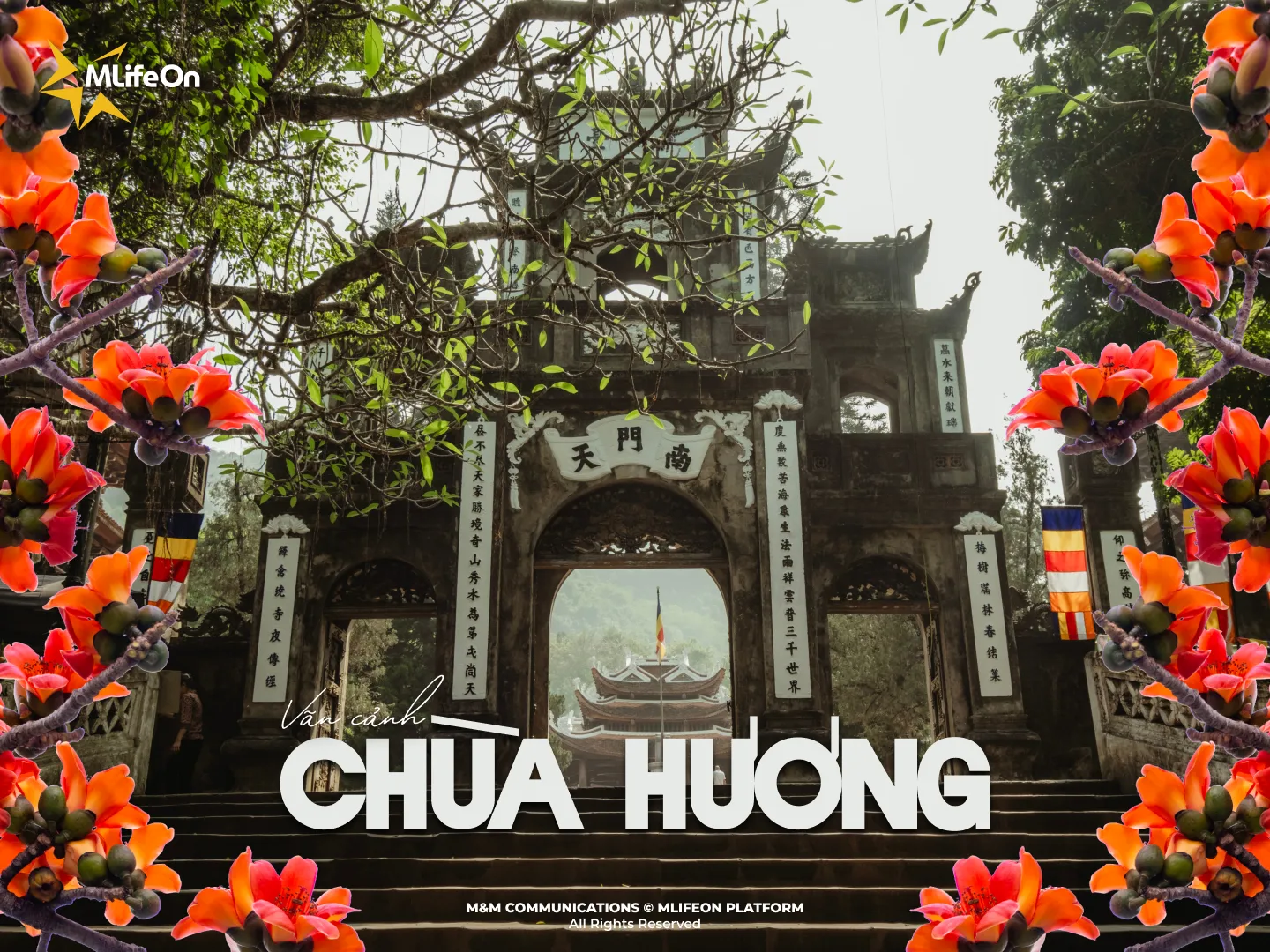
Every Lunar New Year, Huong Pagoda is one of the most popular spiritual destinations in northern Vietnam. Beyond pilgrimage and early-year prayers, Huong Pagoda is a unique cultural and scenic complex where mountains, waterways, and belief intertwine - creating a contemplative journey deeply rooted in northern Vietnamese identity.
Huong Pagoda - A spiritual complex amid the mountains of Hanoi
Huong Pagoda, rather than being a single temple, unfolds as a vast spiritual complex in My Duc District, Hanoi. The site stretches across limestone mountains, valleys, and streams - its origins dating back centuries. In the Red River Delta, it has long been woven into the religious lives of local people.
At the heart of the complex lies Huong Tich Cave, revered as the “Foremost Cave of the Southern Heavens.” Surrounding it is a network of temples, shrines, and sanctuaries. These include Thien Tru Pagoda, Trinh Temple, and Giai Oan Pagoda, linked along a pilgrimage route. The journey is both spiritual and scenic.
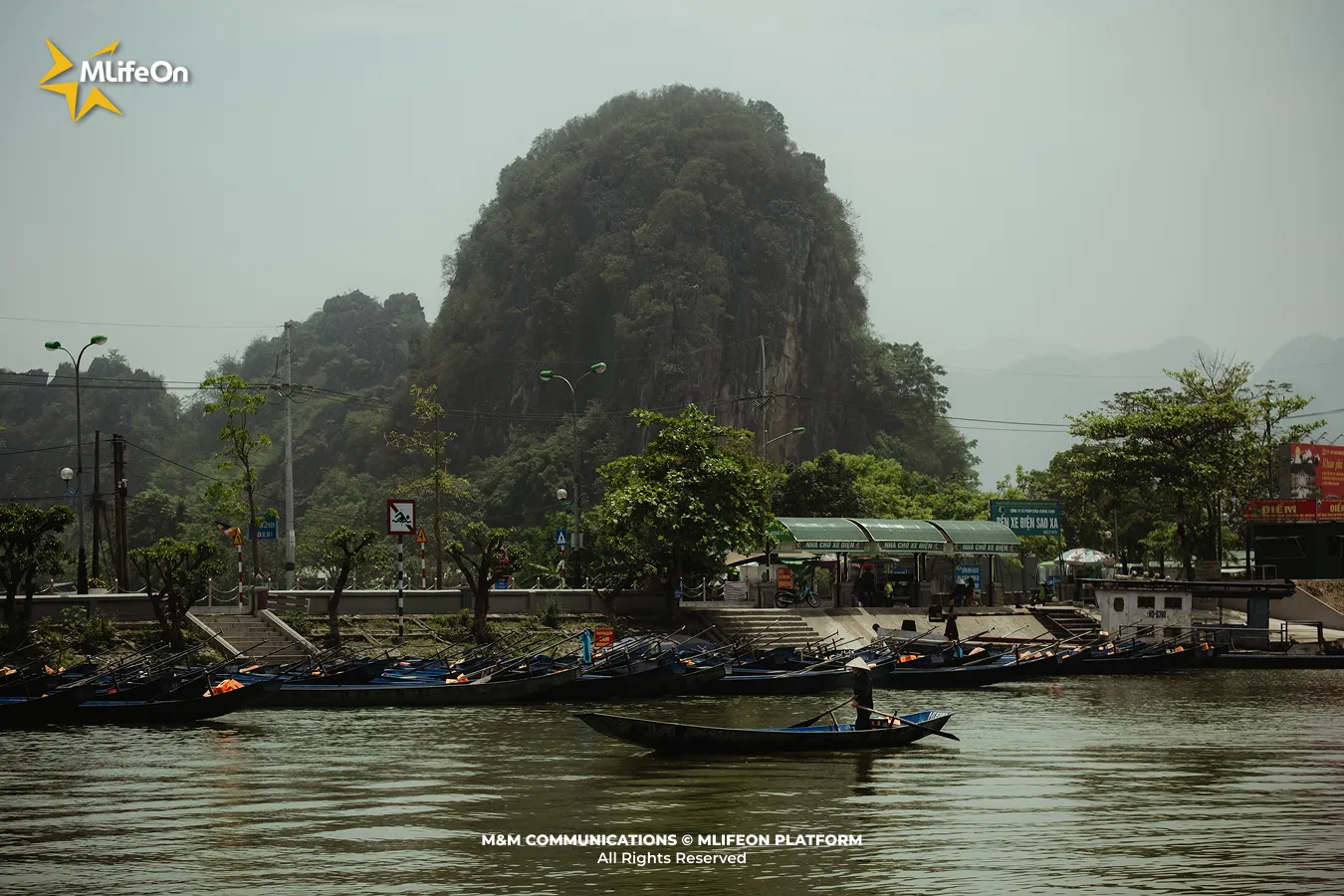
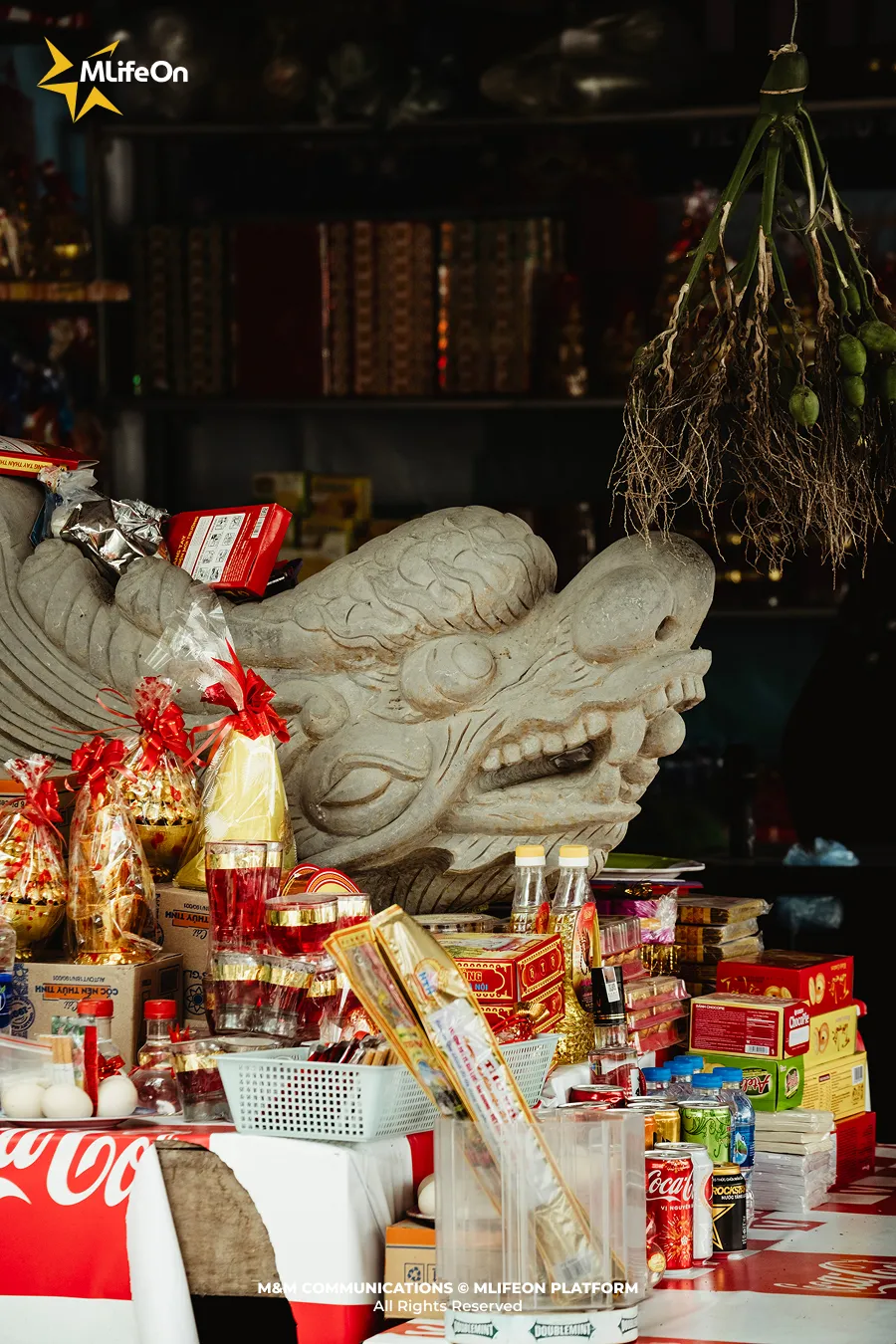
Drifting along Yen Stream - The gateway to Huong Pagoda
Anyone visiting Huong Pagoda must first travel along Yen Stream. Though not wide, the stream serves as a natural gateway into the entire inner spiritual landscape.
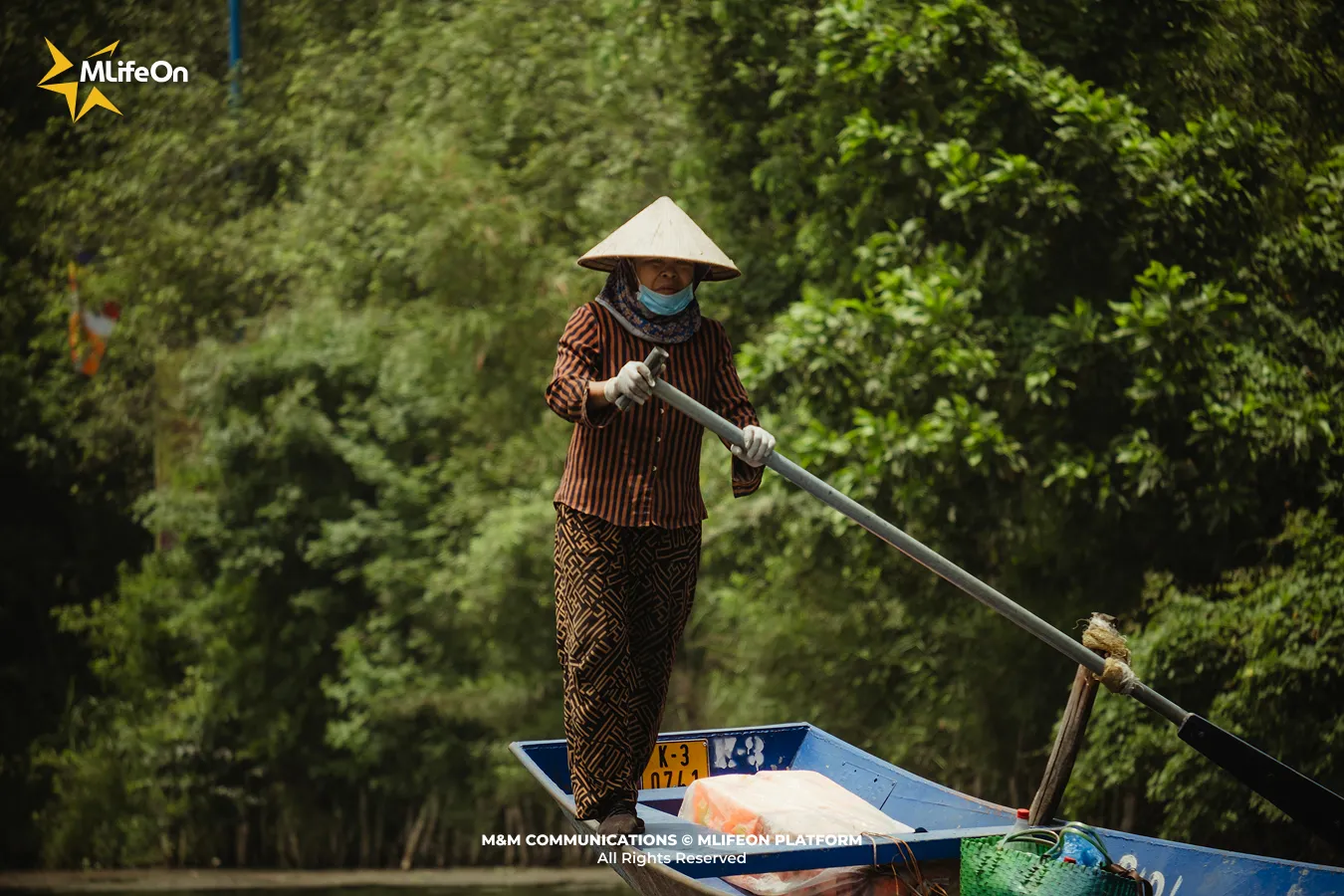
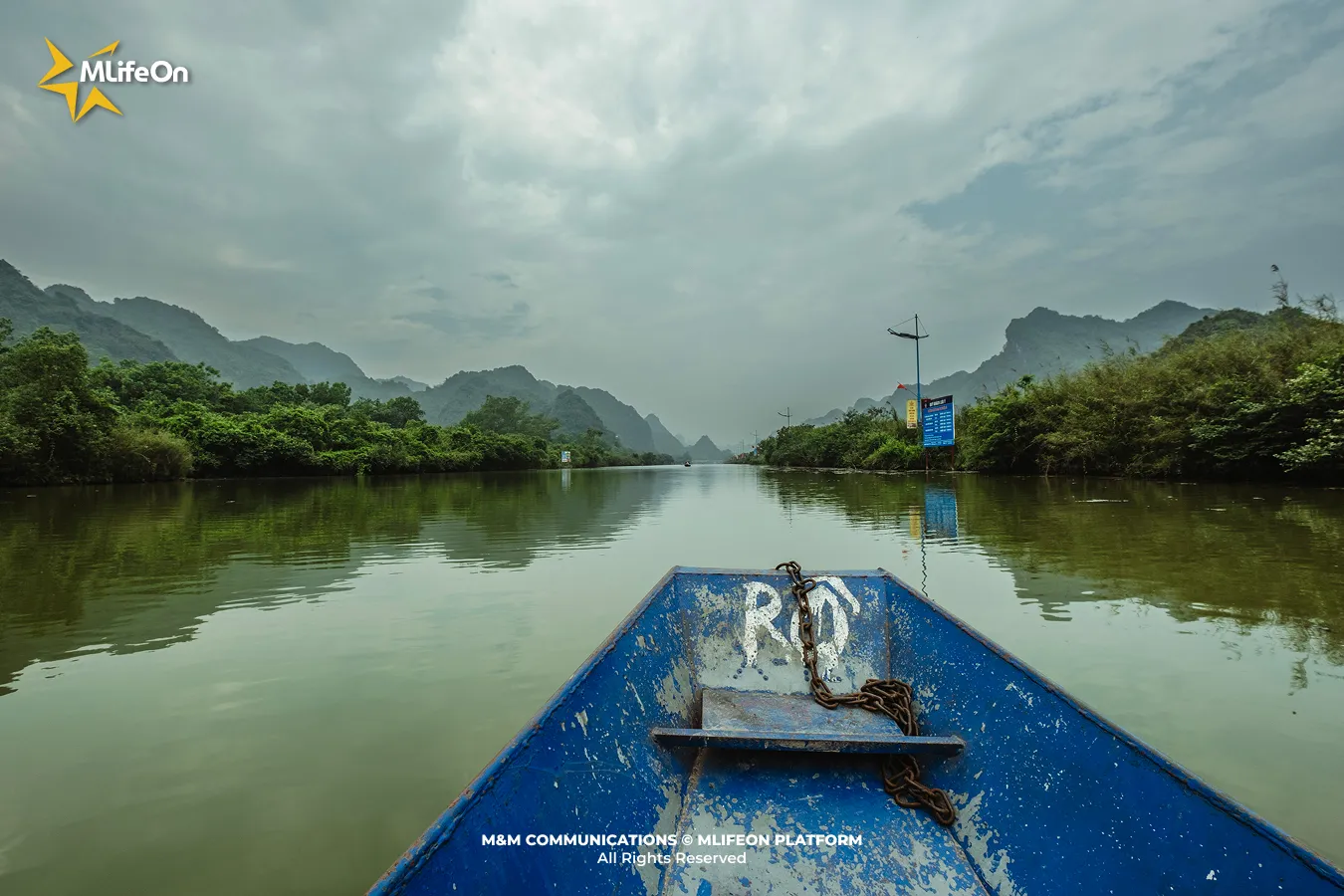
Meandering between limestone ranges, Yen Stream passes by reeds, trees, and small villages lining its banks. Those aboard the slow-moving boats find themselves with ample time to observe the scenery, feeling a subtle shift from the demands of daily life toward a more contemplative journey.
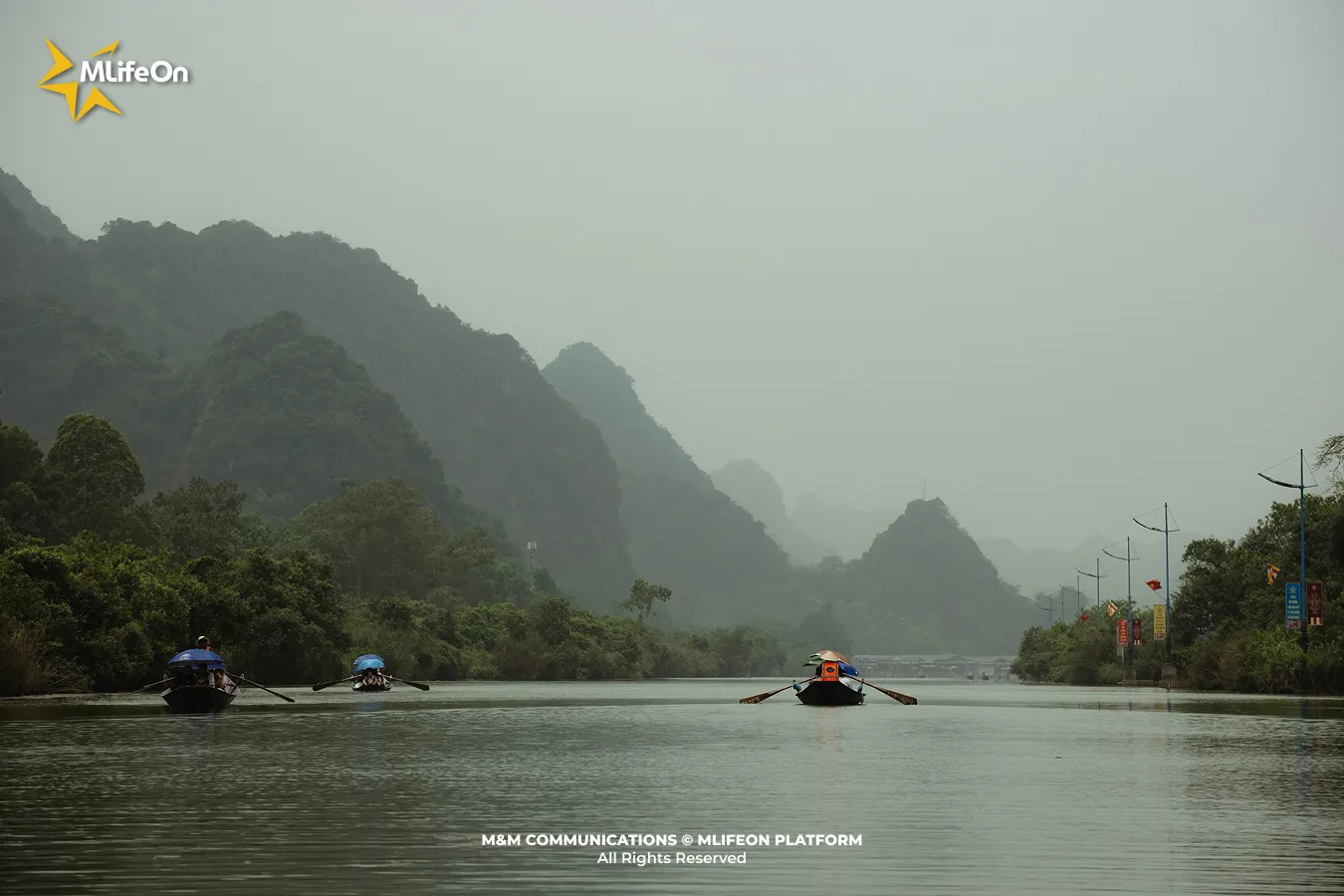
During the festival season, Yen Stream is lively with boats, chatter, and the rhythmic splash of oars. On quieter days, the stream becomes gentle and placid again. It fulfills its original role, guiding visitors into Huong Pagoda at an unhurried pace.
Architecture and spiritual space at Huong Pagoda
The structures within Huong Pagoda's complex do not impress with their size or grandeur. Instead, scattered throughout the natural terrain, they are carefully integrated, blending seamlessly into the surrounding mountains, rather than standing apart.
Thien Tru Pagoda, also known as the Outer Pagoda, is a major stopping point before continuing deeper toward Huong Tich Cave. Its grounds are spacious and open, overlooking a valley, creating an inviting and accessible atmosphere.
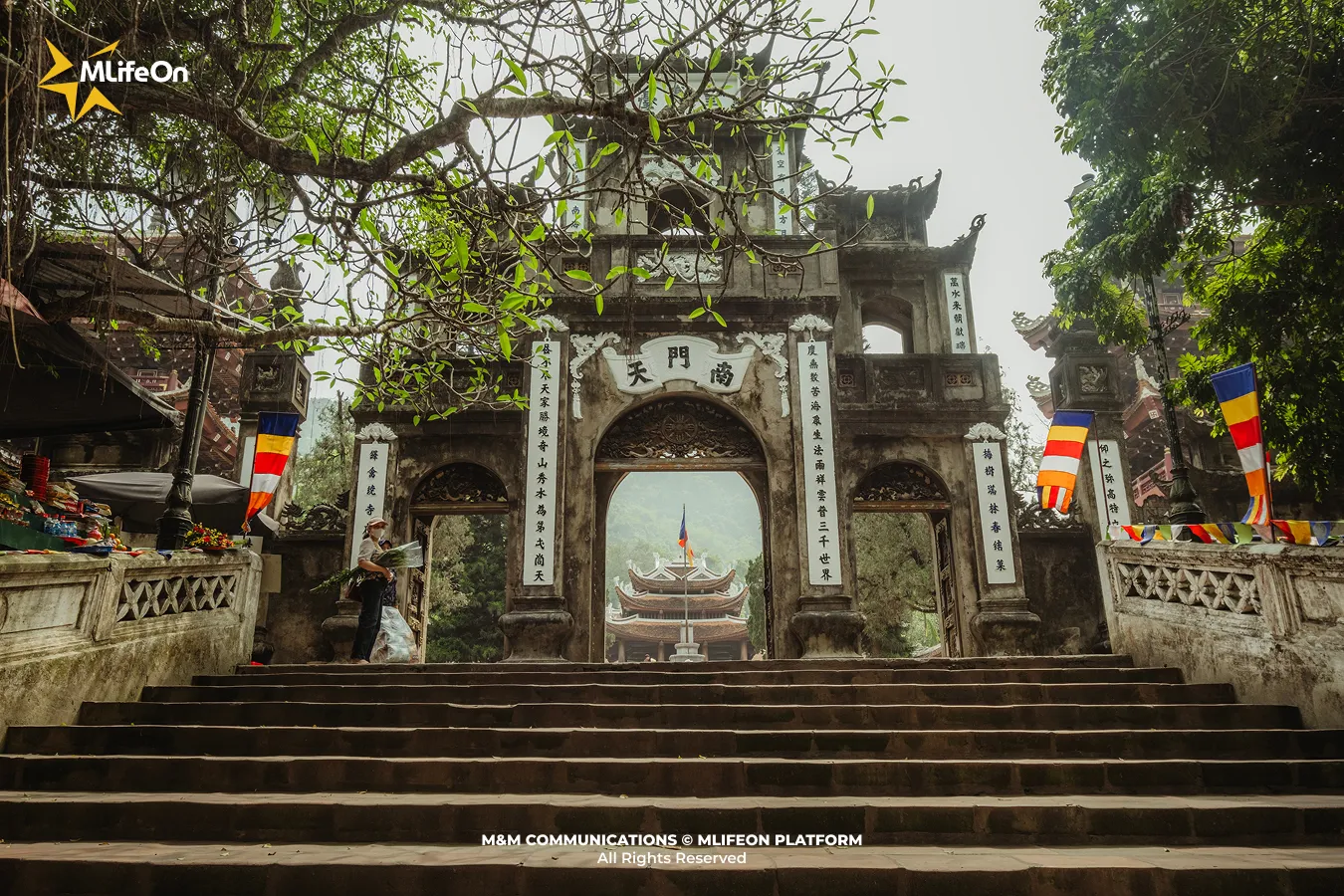
As the path continues inward, the terrain becomes steeper and spiritual structures appear interwoven with rocky slopes and forested hills. Huong Tich Cave stands out as the most distinctive feature: a natural cavern transformed into a sacred worship space. Stalactites and rock formations merge with Buddha statues and altars, creating a powerful sense of sanctity in which belief exists not apart from nature but within the mountain itself.
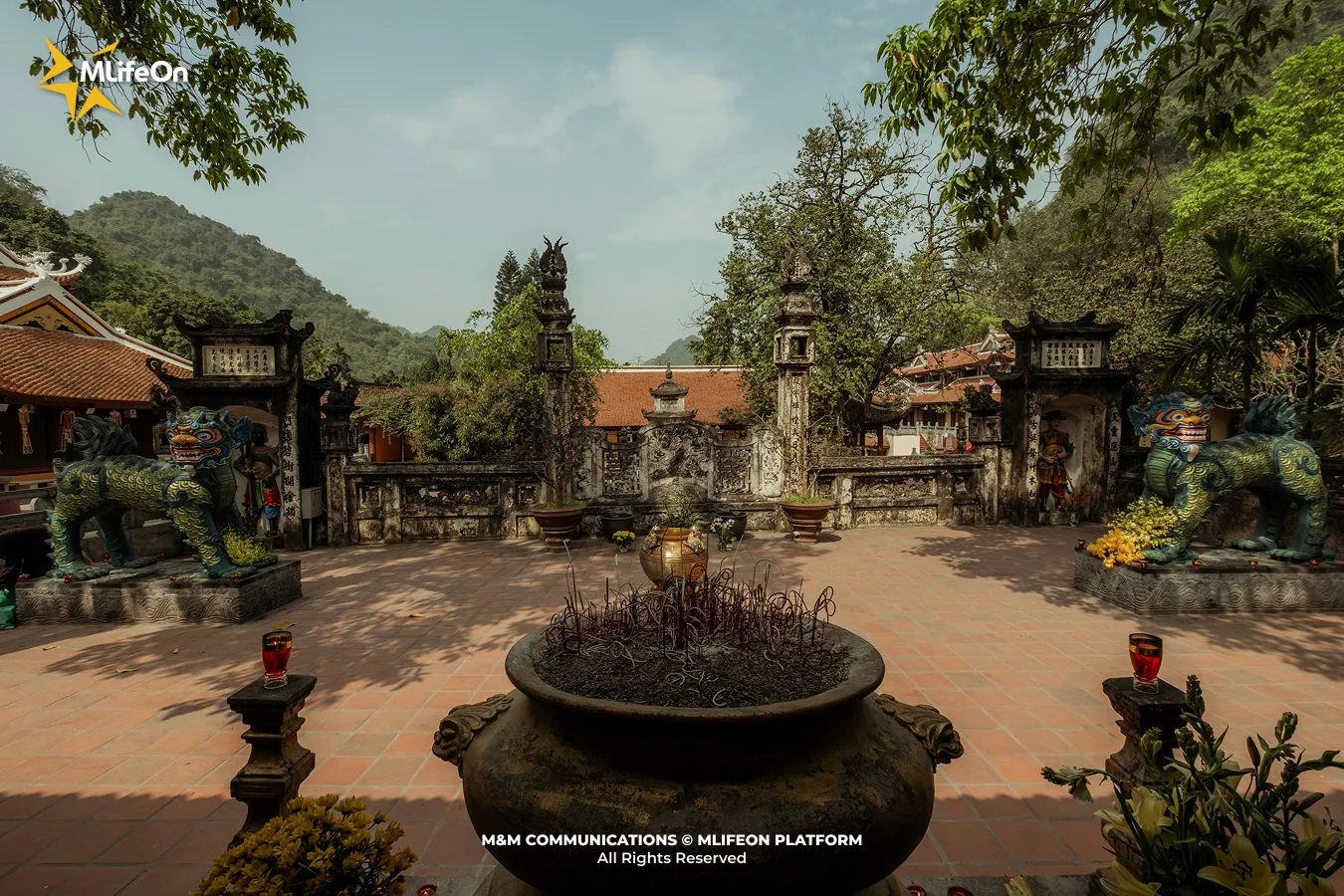
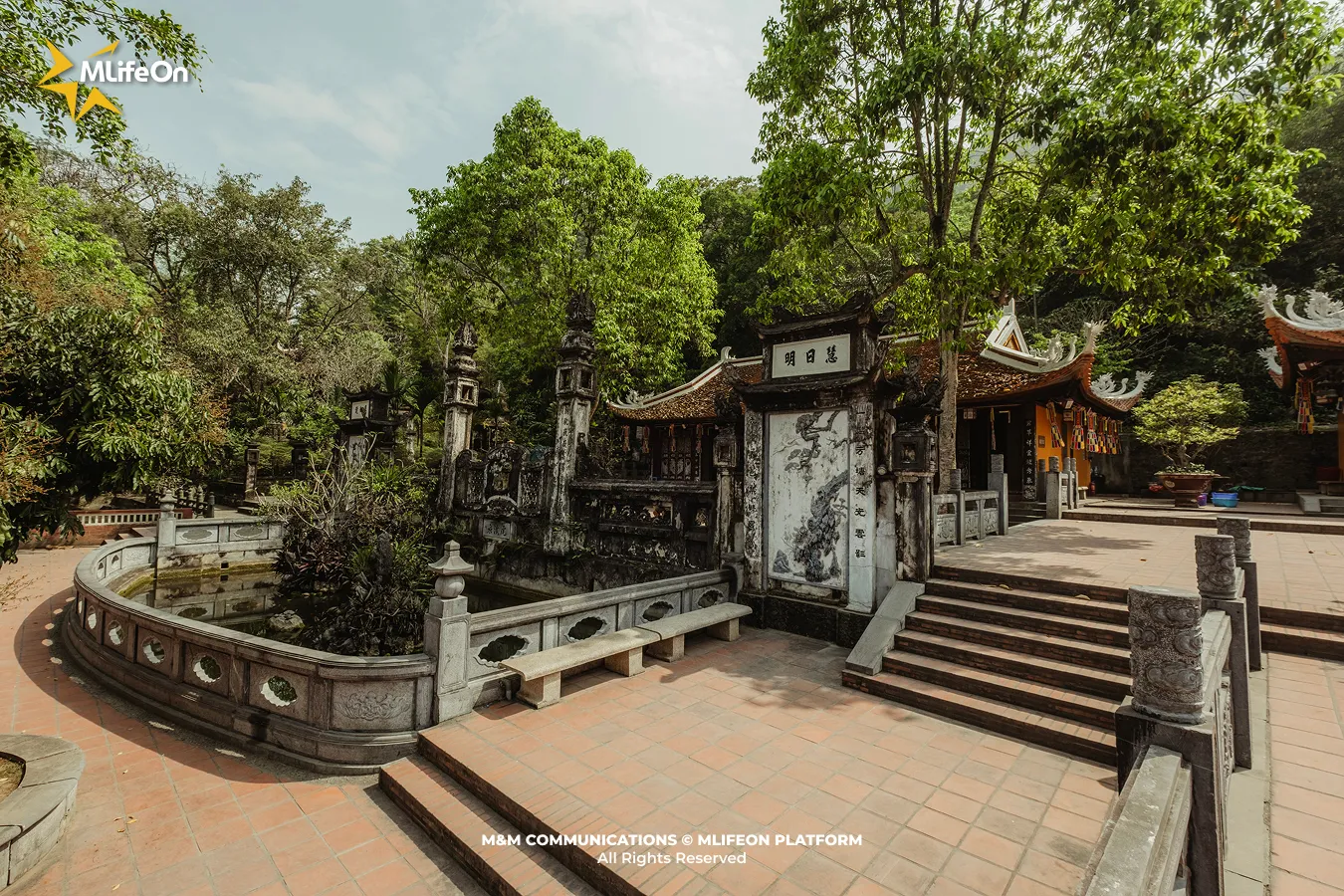
This arrangement gives Huong Pagoda the feeling of something discovered rather than constructed, as though it has always been part of the landscape.
Huong Pagoda during the Lunar New Year festival
At the beginning of the year, Huong Pagoda enters a festival season that lasts several months. This is when pilgrims from across the country arrive in large numbers, creating the familiar atmosphere of Tet—crowded, vibrant, and deeply symbolic.
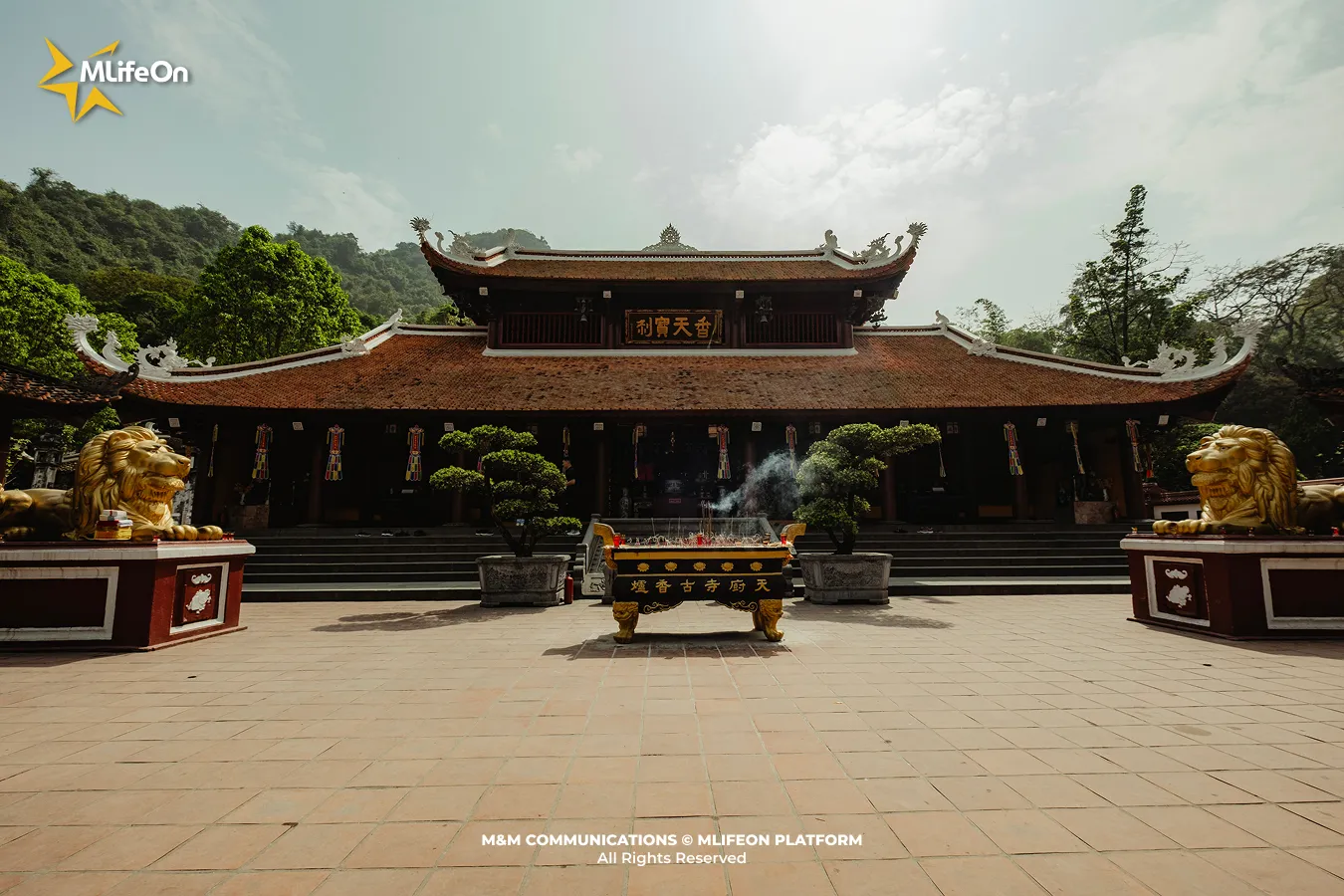
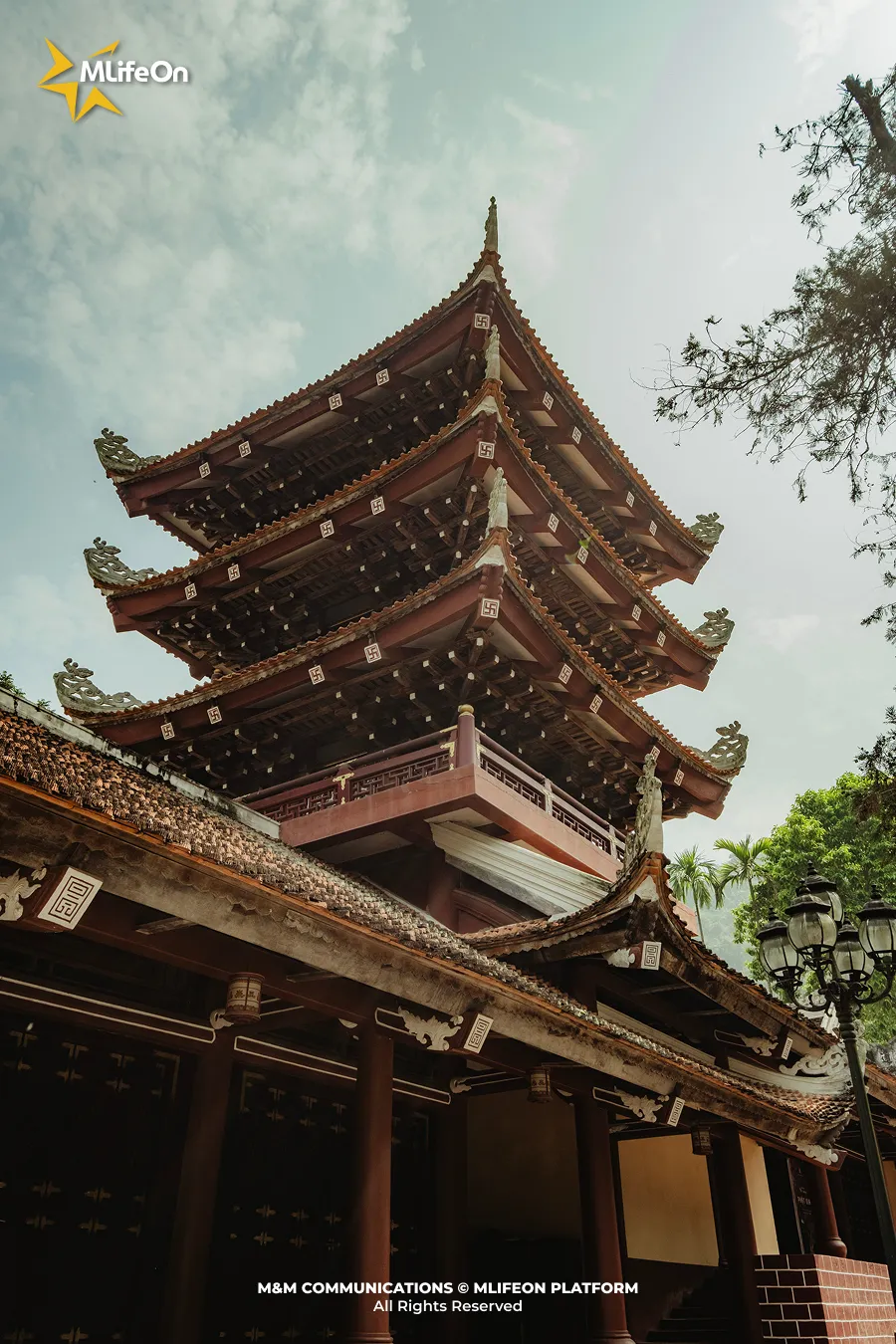
Visitors come to pray for peace, good health, and success in the year ahead. Religious rituals take place continuously, from incense offerings and Buddhist prayers to ceremonial processions and the official opening of the festival. During this time, Huong Pagoda becomes not only a sacred site, but also a major center of communal cultural life.
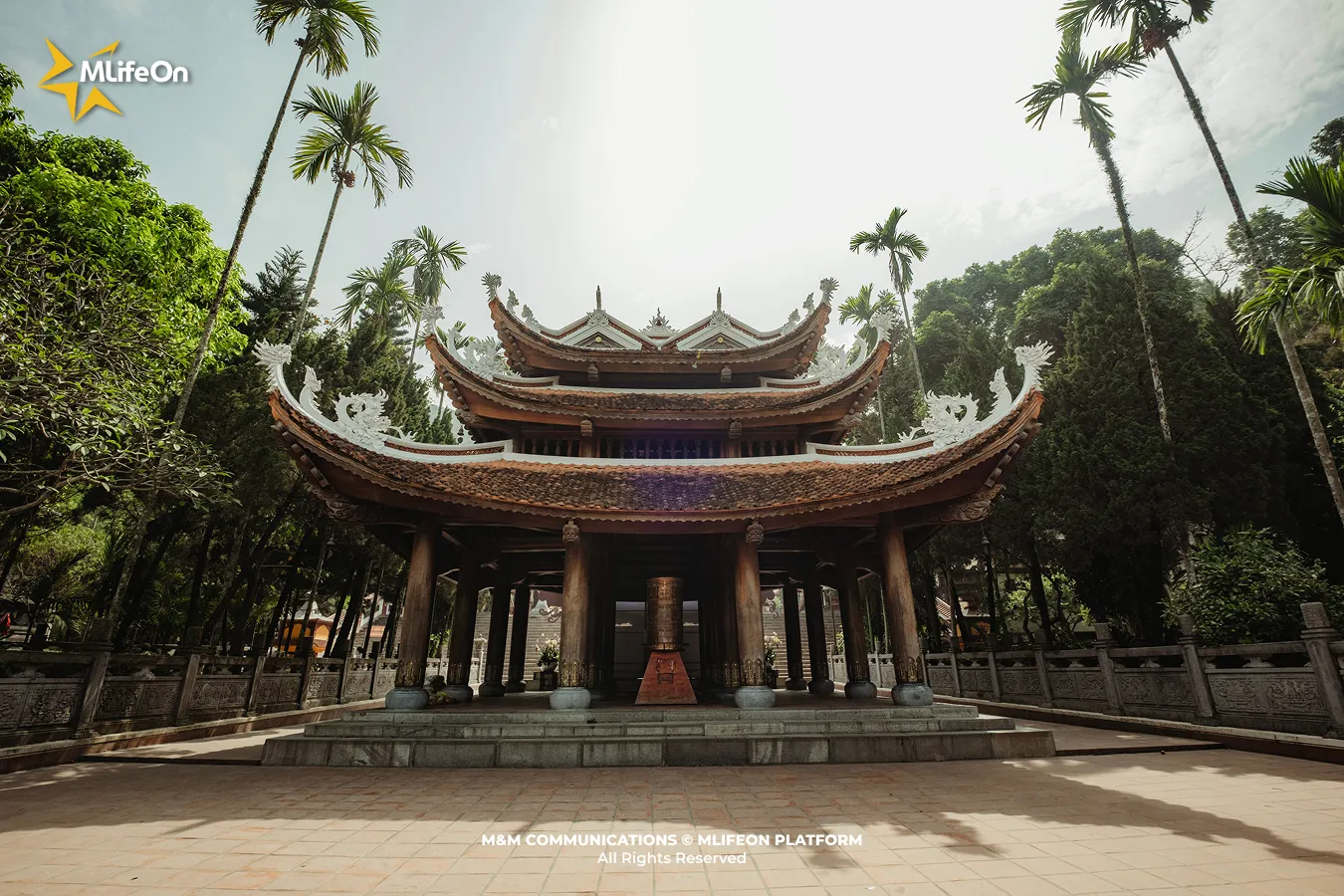
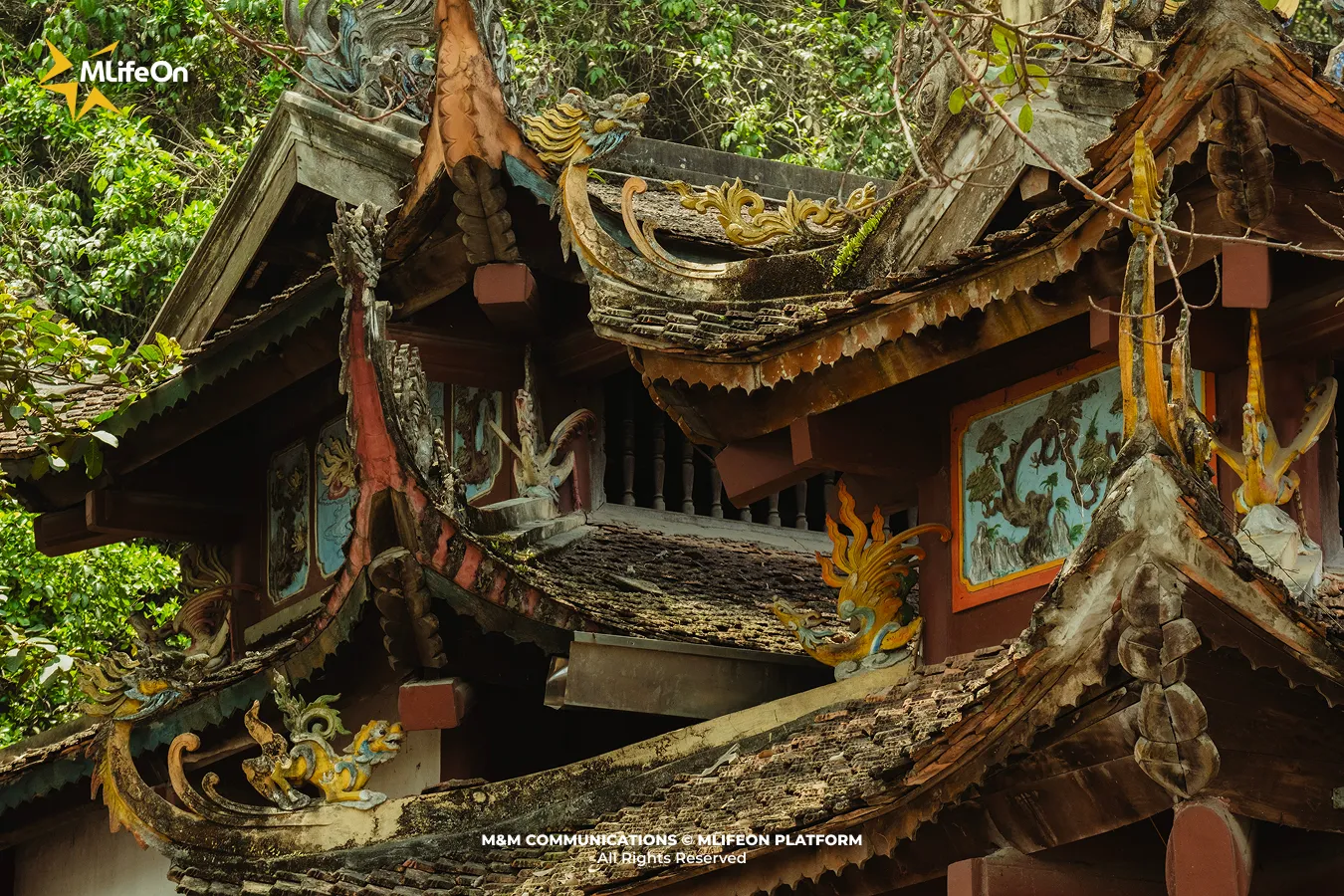
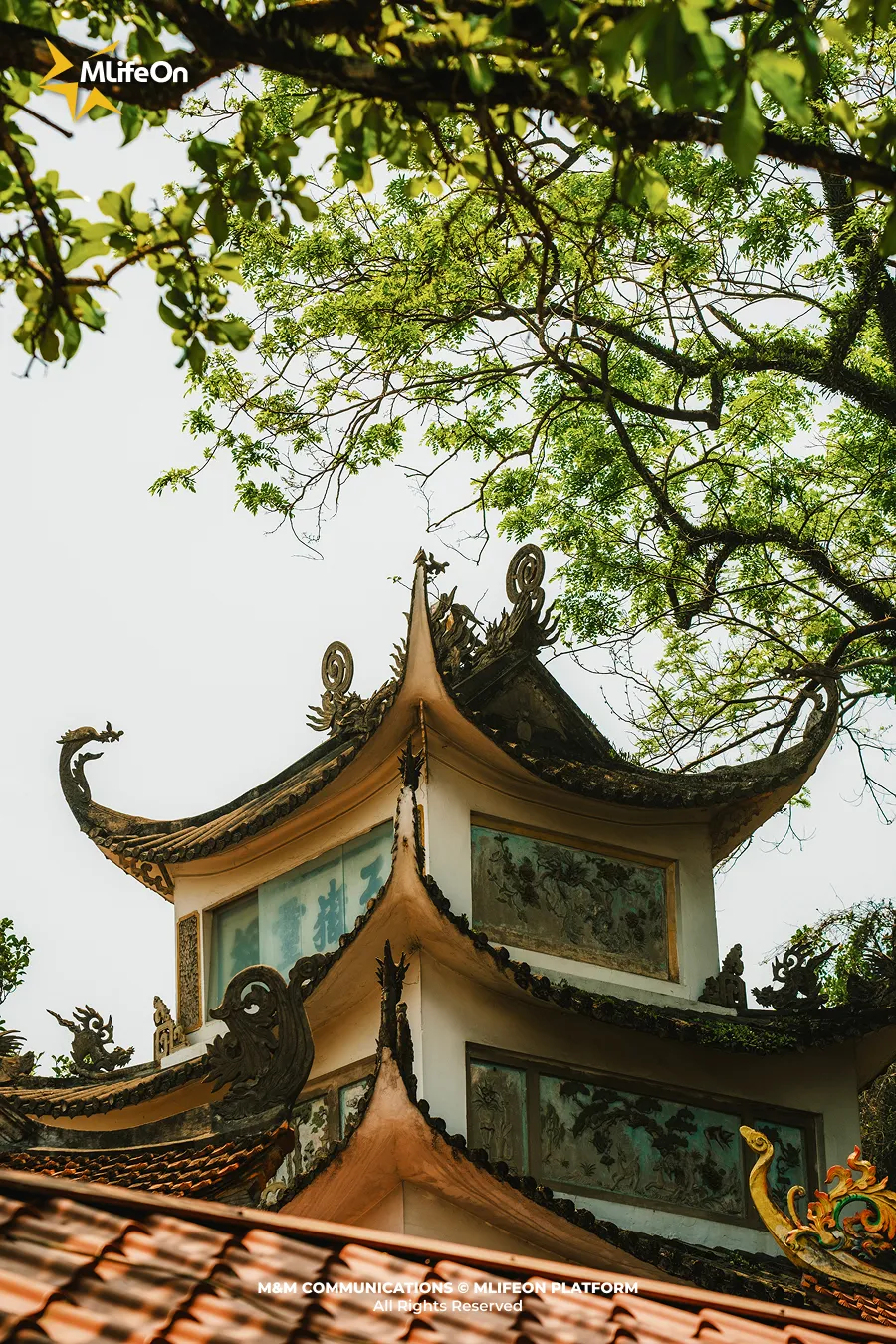
Despite the crowds, a sense of order remains. Each visitor comes with a personal intention, yet all are united by shared faith and hopes for a prosperous new year.
Falling in love with the red bombax flowers in Doan Nu village
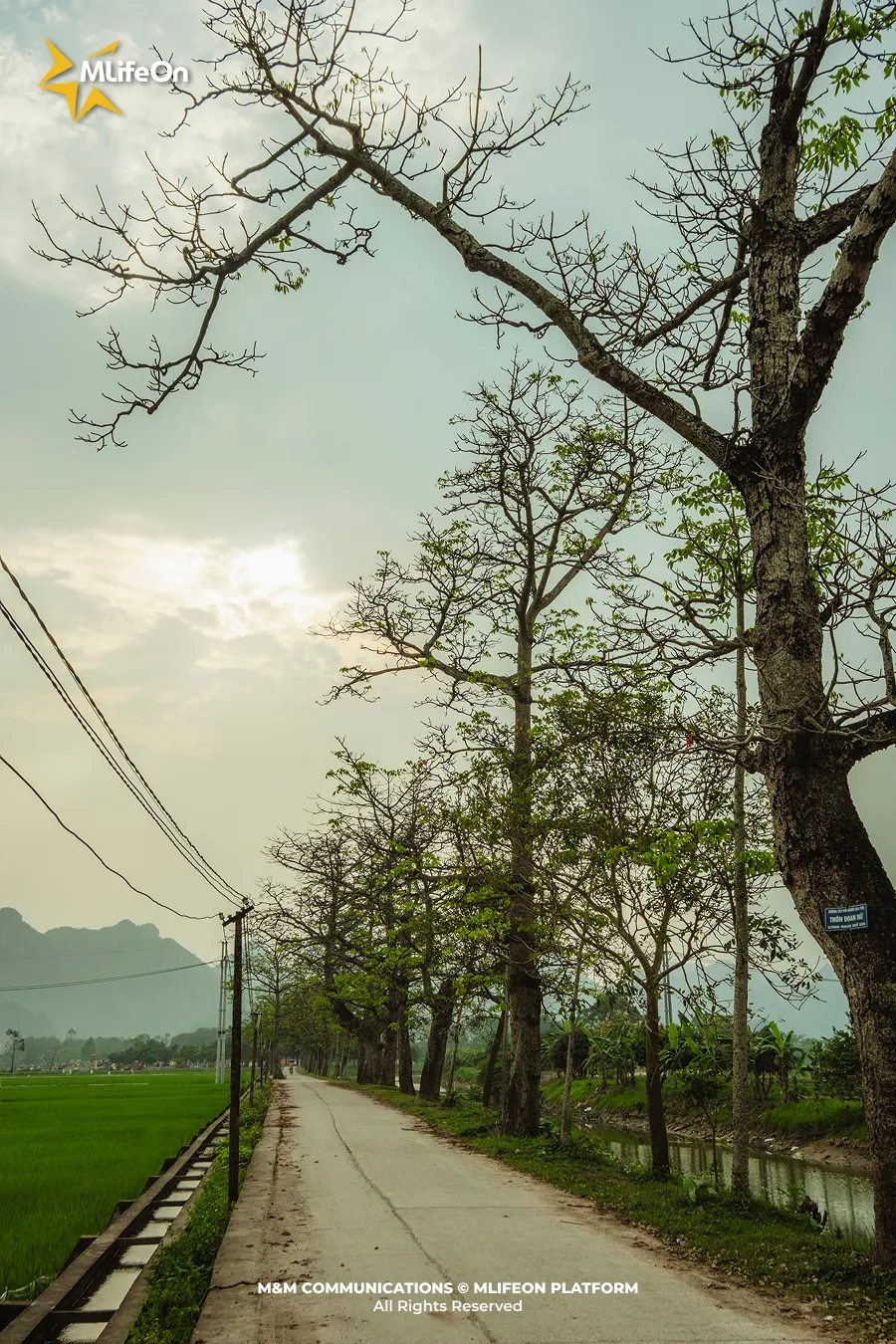
Not far from the Huong Pagoda complex lies Doan Nu Village - a quiet rural settlement nestled among the hills. The village is known for its bombax flower-lined road, where tall trees burst into deep red blooms each spring, creating a scene emblematic of northern Vietnam.
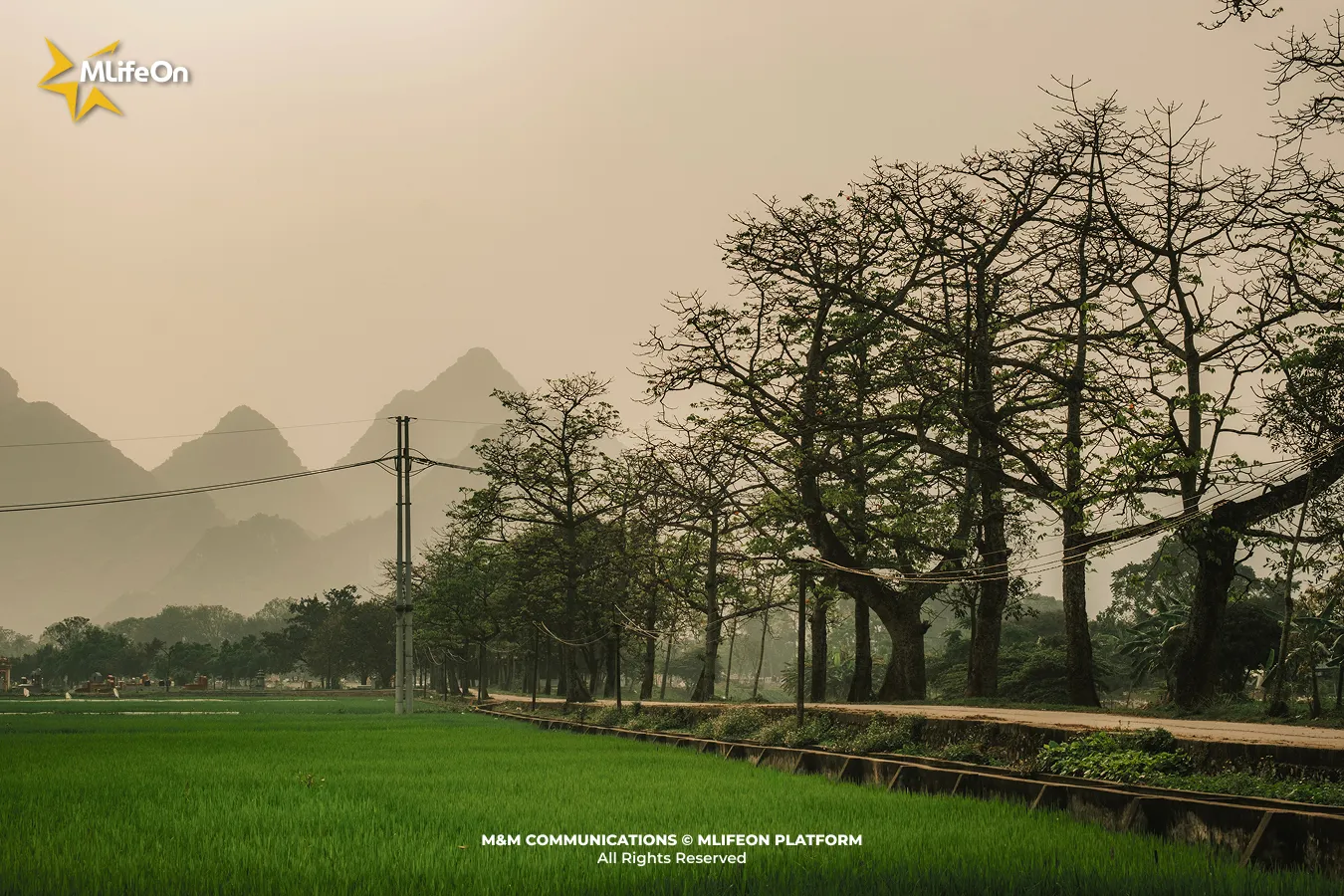
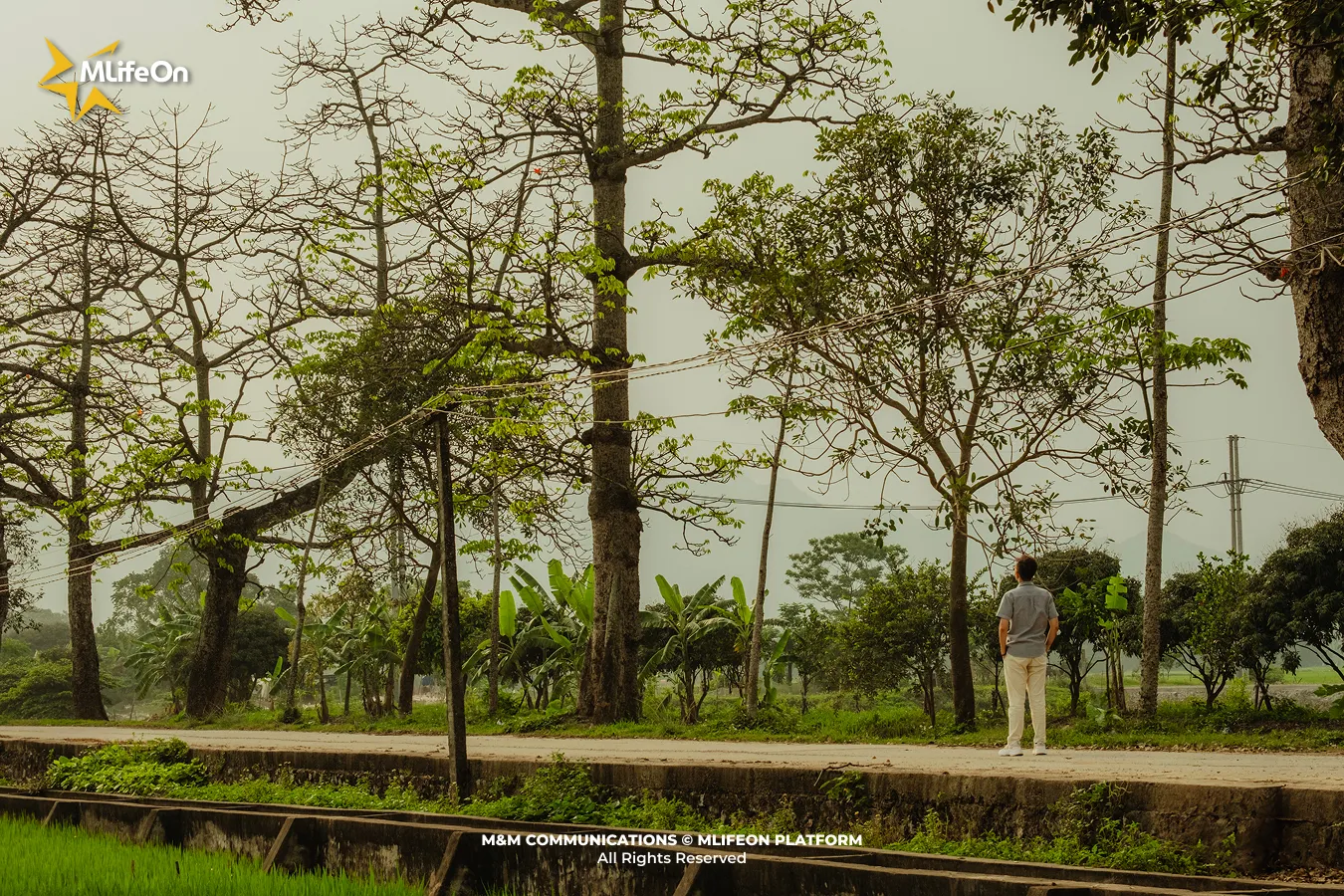
The red of the bombax flowers here is not flamboyant or showy. It is rich and subdued, falling onto village paths, along rice field edges, and into still, open spaces.
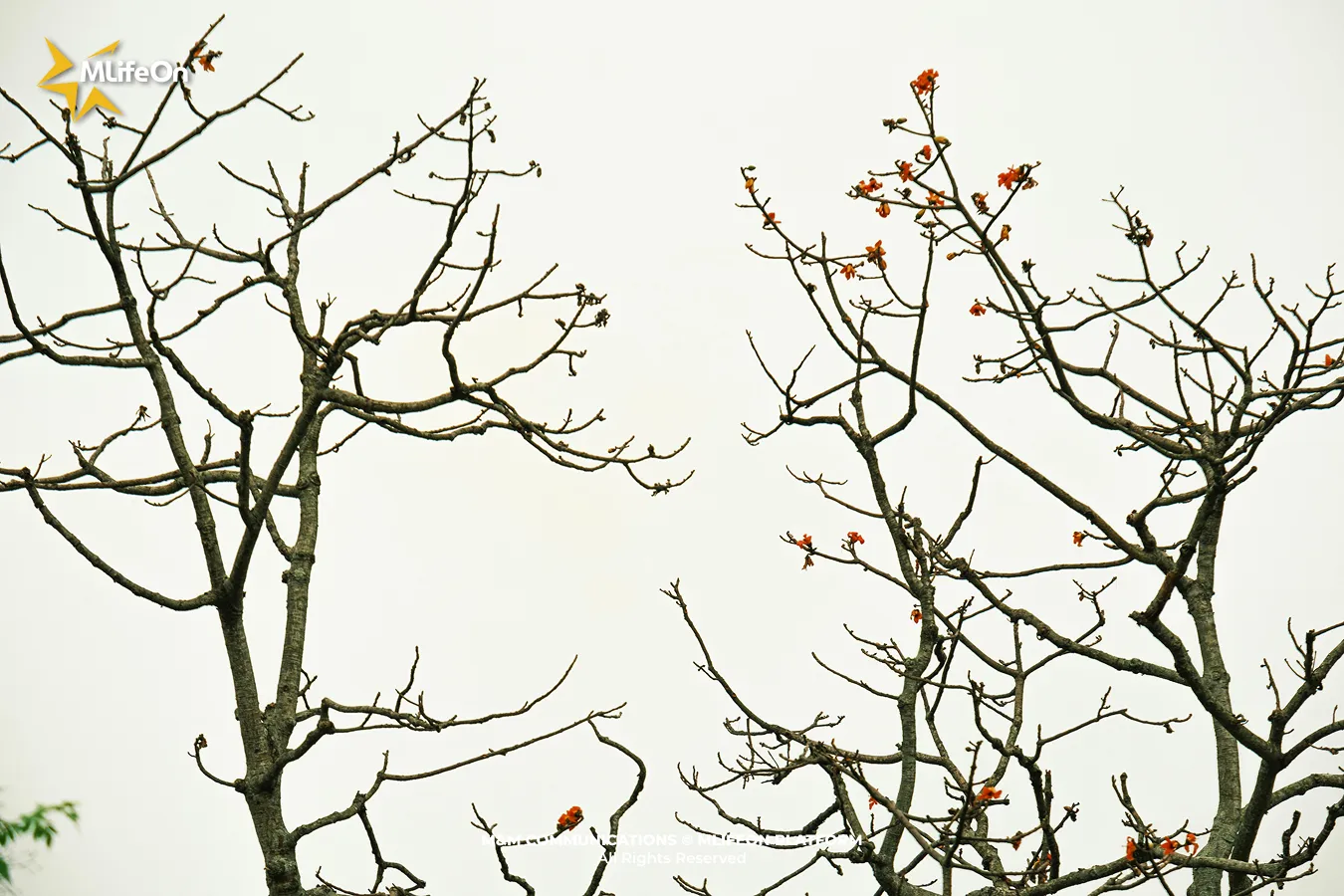
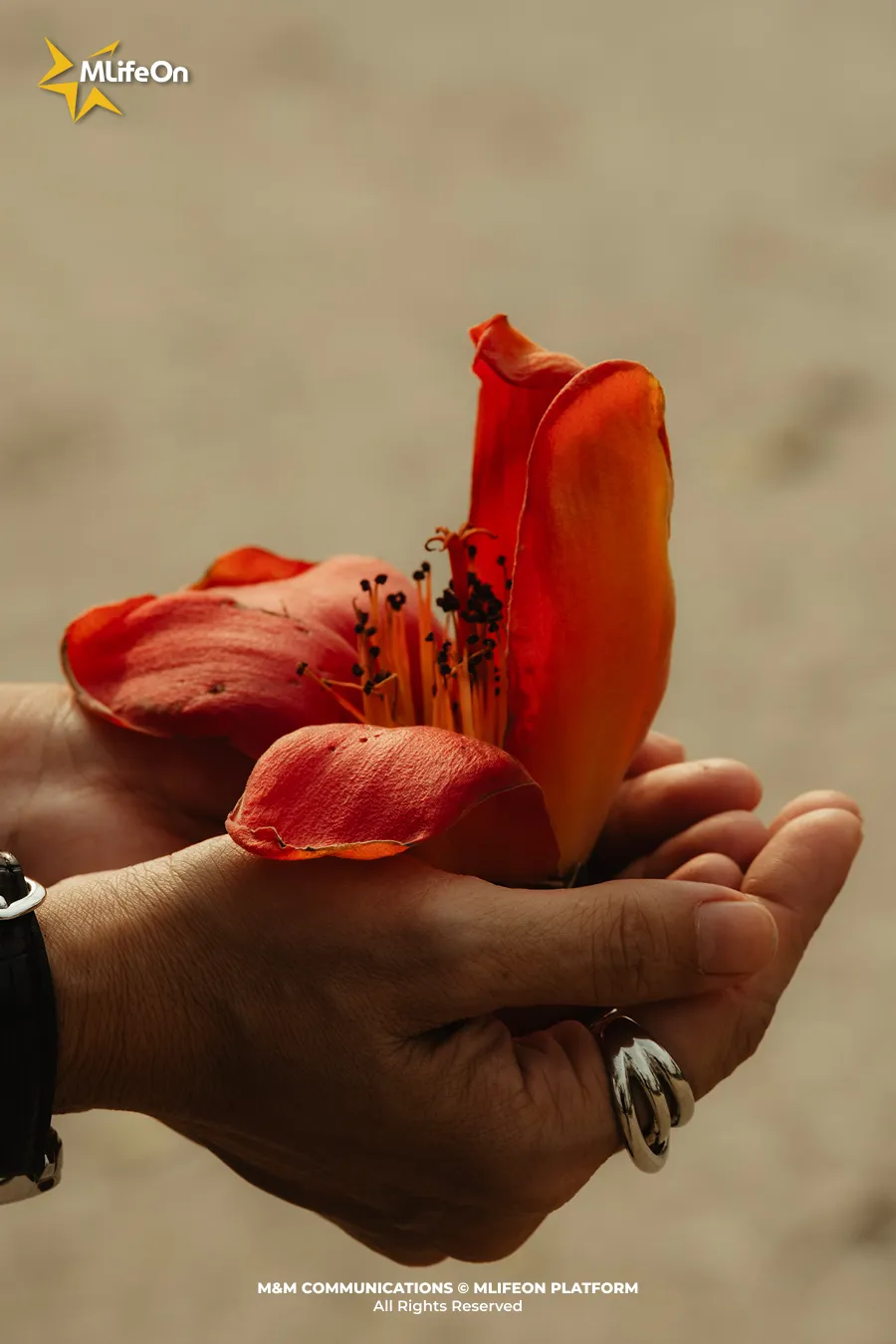
Perhaps for this reason, visitors often leave without many striking photographs, yet carry away a vivid impression: the feeling of a peaceful countryside where nature and people coexist in a slow, unpretentious rhythm.
Stopping by Doan Nu Village after a visit to Huong Pagoda adds another layer to the journey. From the spiritual space of the mountains, one steps into the everyday life of a rural village, making Huong Pagoda's experience feel more intimate and grounded.
Conclusion
Huong Pagoda is a familiar destination each Lunar New Year, but its value extends far beyond pilgrimage alone. Between mountains, waterways, and village life, the site offers a journey that weaves together belief, landscape, and daily living. Whether visited during the festive season or on quieter days, Huong Pagoda remains a spiritual space deeply connected to Vietnamese life and tradition.
—---------
CREDIT:
- Photography: Luan Nguyen
- Content: Hoài Hà
- Design: Phuong Nguyen