CHAM VILLAGES IN AN GIANG - WHERE SKILLED HANDS KEEP THE FLAME OF BROCADE WEAVING ALIVE
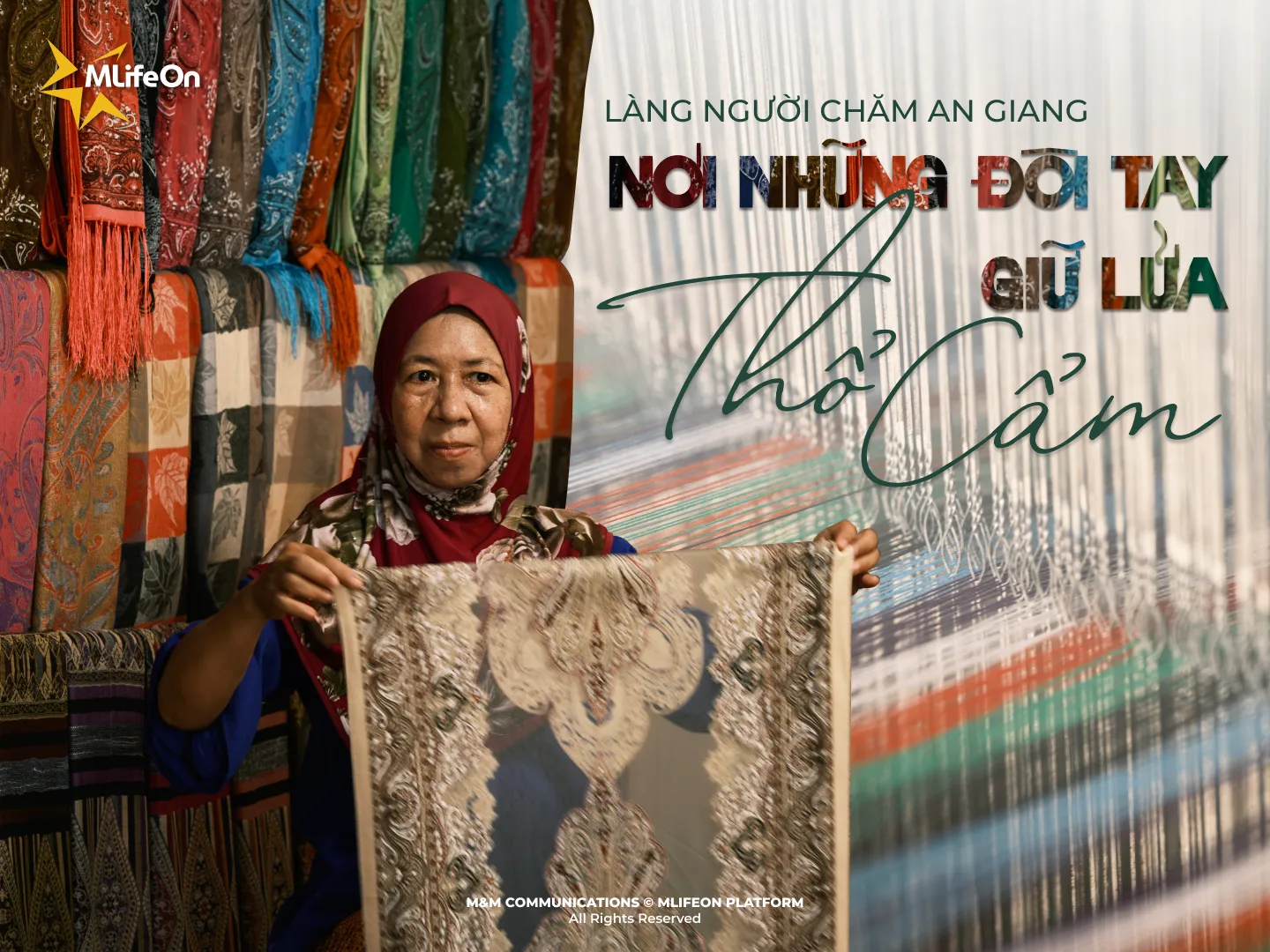
In An Giang, where the cool waters of the Hau River meet the Chau Doc River, Cham villages have existed quietly for generations. Unassuming and unshowy, life here flows slowly, much like the river in front of each home. Within this gentle rhythm, one tradition has been steadfastly preserved over time: the art of brocade weaving, passed down through the hands of Cham women.
The Cham people of An Giang – A river-based community
Few notice that, beyond An Giang’s landmarks, the province is also home to over 17,000 Cham people. They live in nine villages along the Hau River and its branches. Water is both a source of livelihood and a vital link connecting the community.
The Cham people of An Giang trace their origins to Vietnam’s South Central Coast, mainly Ninh Thuan and Binh Thuan. They migrated in waves and finally settled in the Mekong Delta. Over generations, they formed a distinct community and remained deeply integrated with the riverine environment.
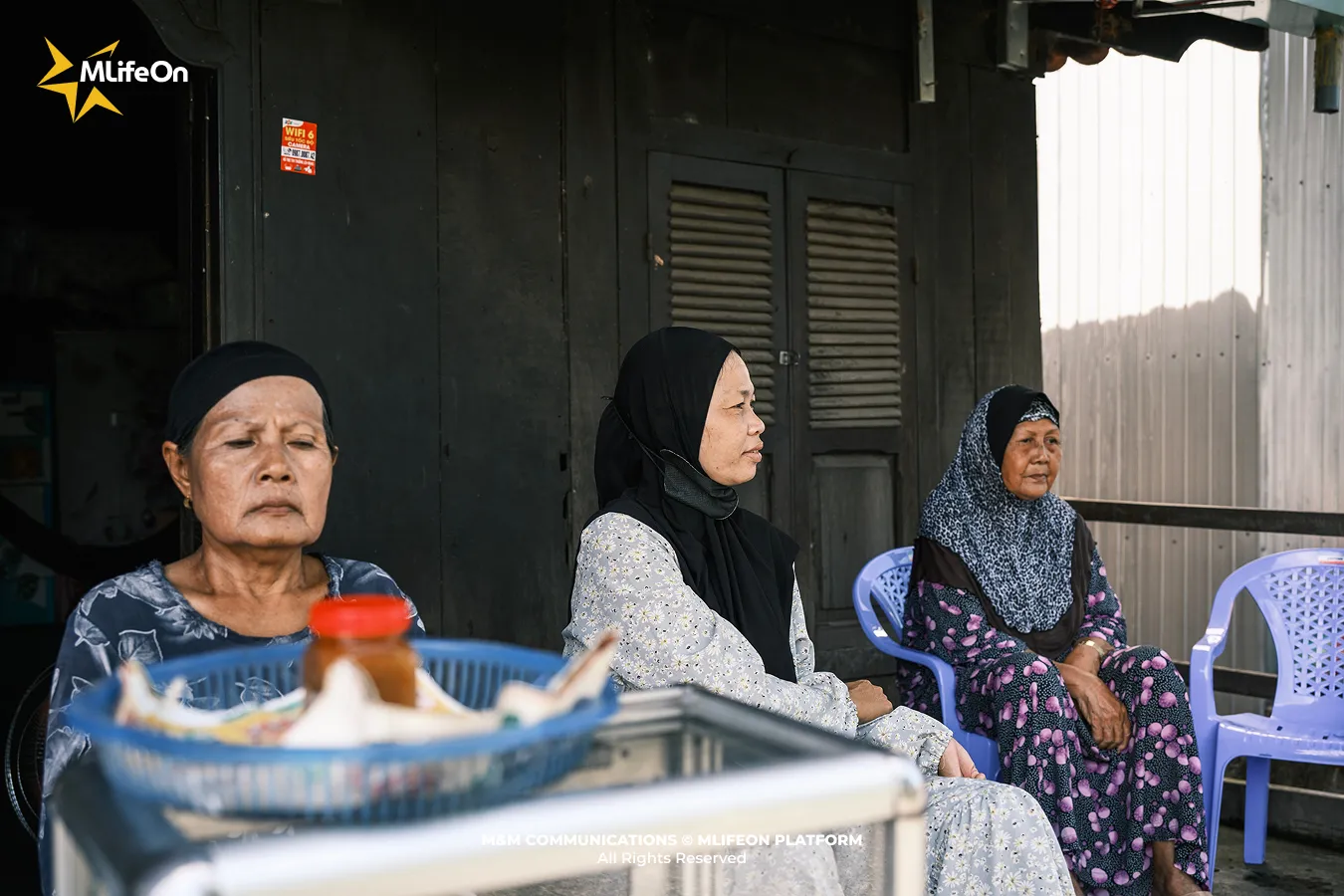
Their livelihoods are closely tied to the waterways: fishing, small-scale trading, commerce with neighboring regions, and even cross-border exchange with Cambodia.
Life here is not affluent, yet it is marked by diligence, gentleness, and a quiet resilience. These qualities reflect an enduring bond with the land, the river, and the values carried across generations.
Mosques and the spiritual life of the Cham community
In every Cham village, the mosque is the most recognizable structure. More than a place of worship, it serves as the heart of communal life, where generations gather for religious observances, prayers, and shared activities.
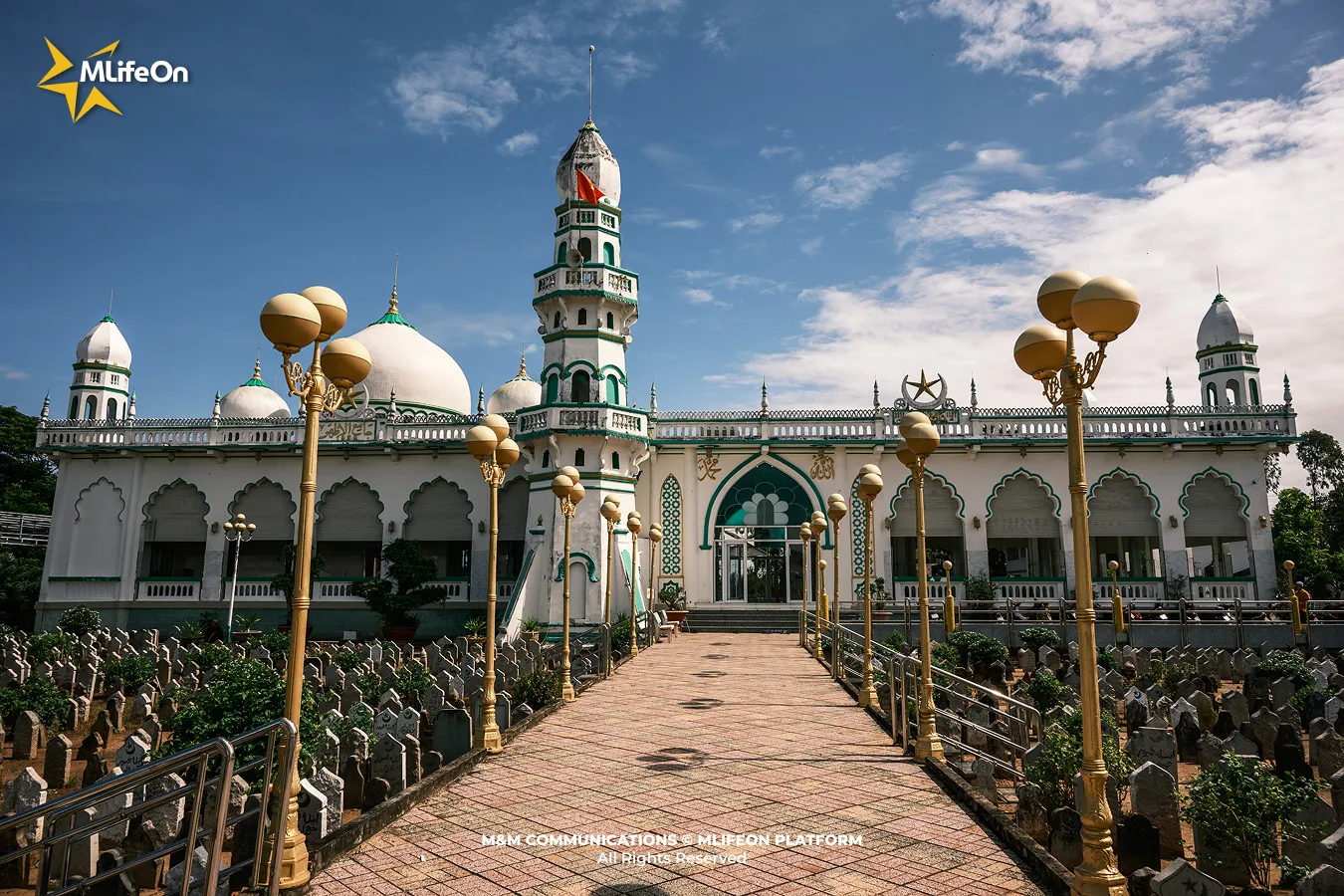
The Cham people of An Giang practice Islam, and their spiritual life is guided by carefully upheld religious principles. Even so, the atmosphere within these mosques feels neither distant nor austere. Religious life unfolds simply and steadily, seamlessly woven into the daily rhythm of the village.
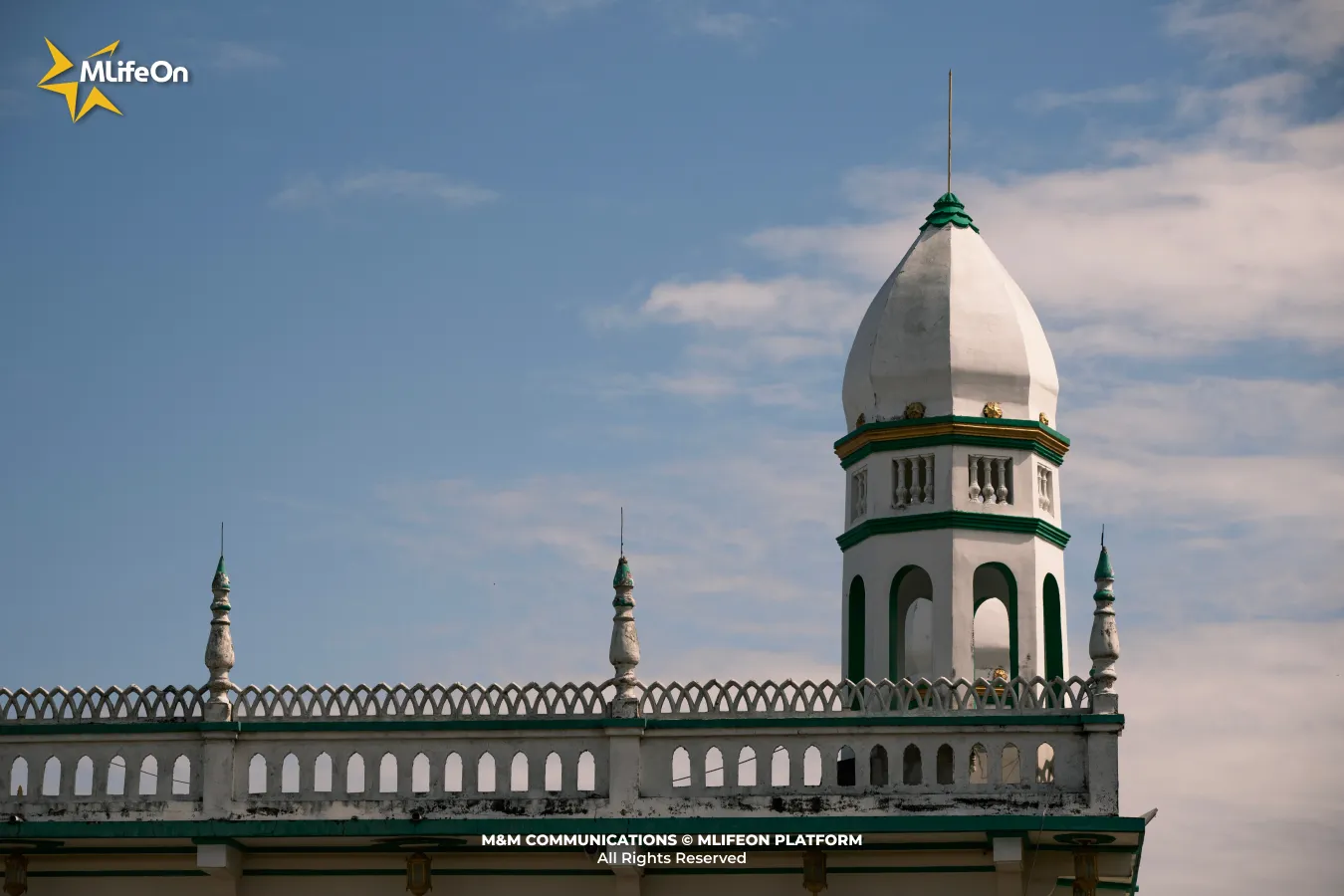
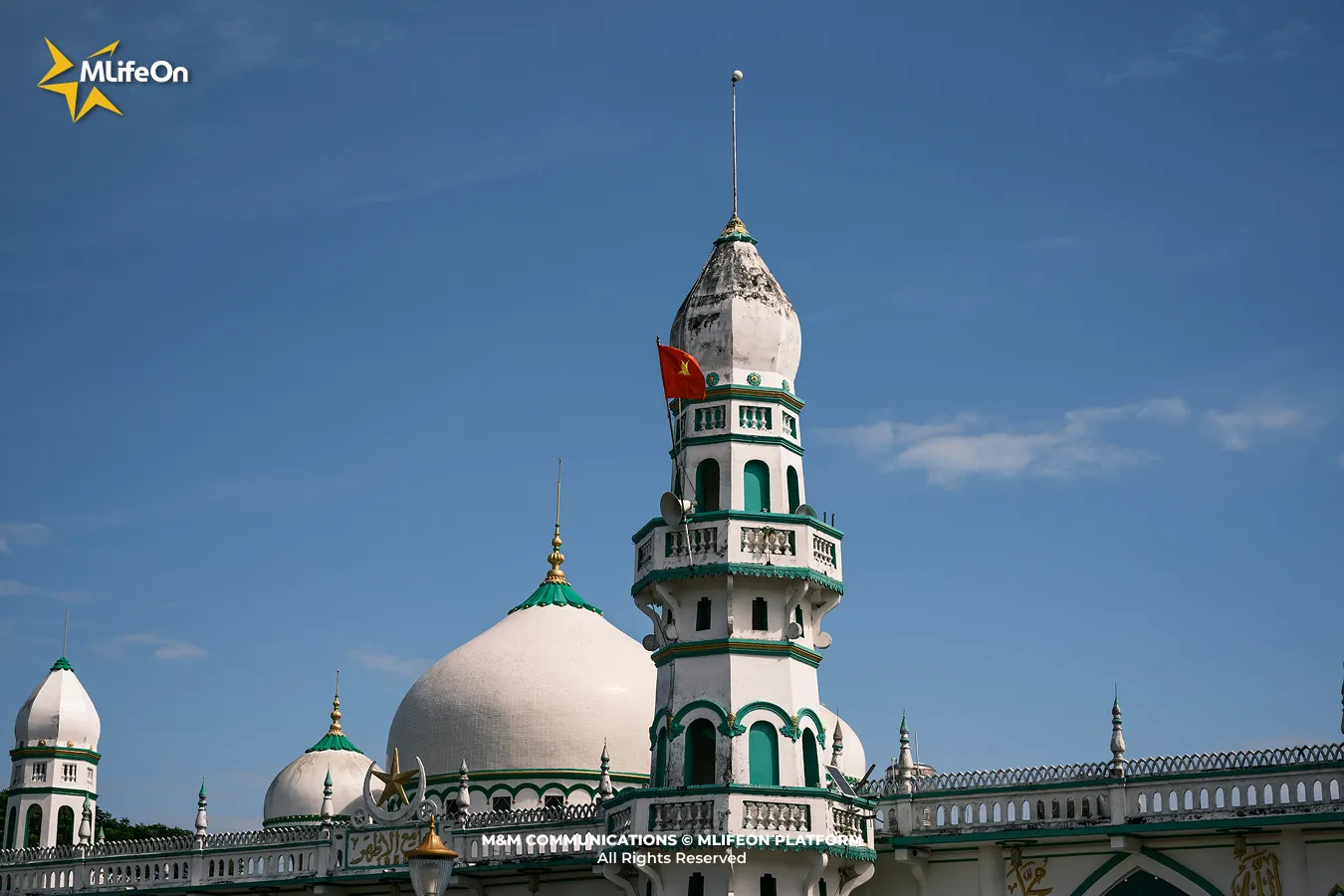
This stable spiritual foundation nurtures traditional cultural values. Brocade weaving, for example, is still passed down from generation to generation.
At the looms of Cham women
If the mosque anchors spiritual life, the loom within each Cham household preserves everyday rhythm. A familiar sight is that of women seated at wooden looms, their hands moving swiftly and steadily as threads interlace, one row after another.
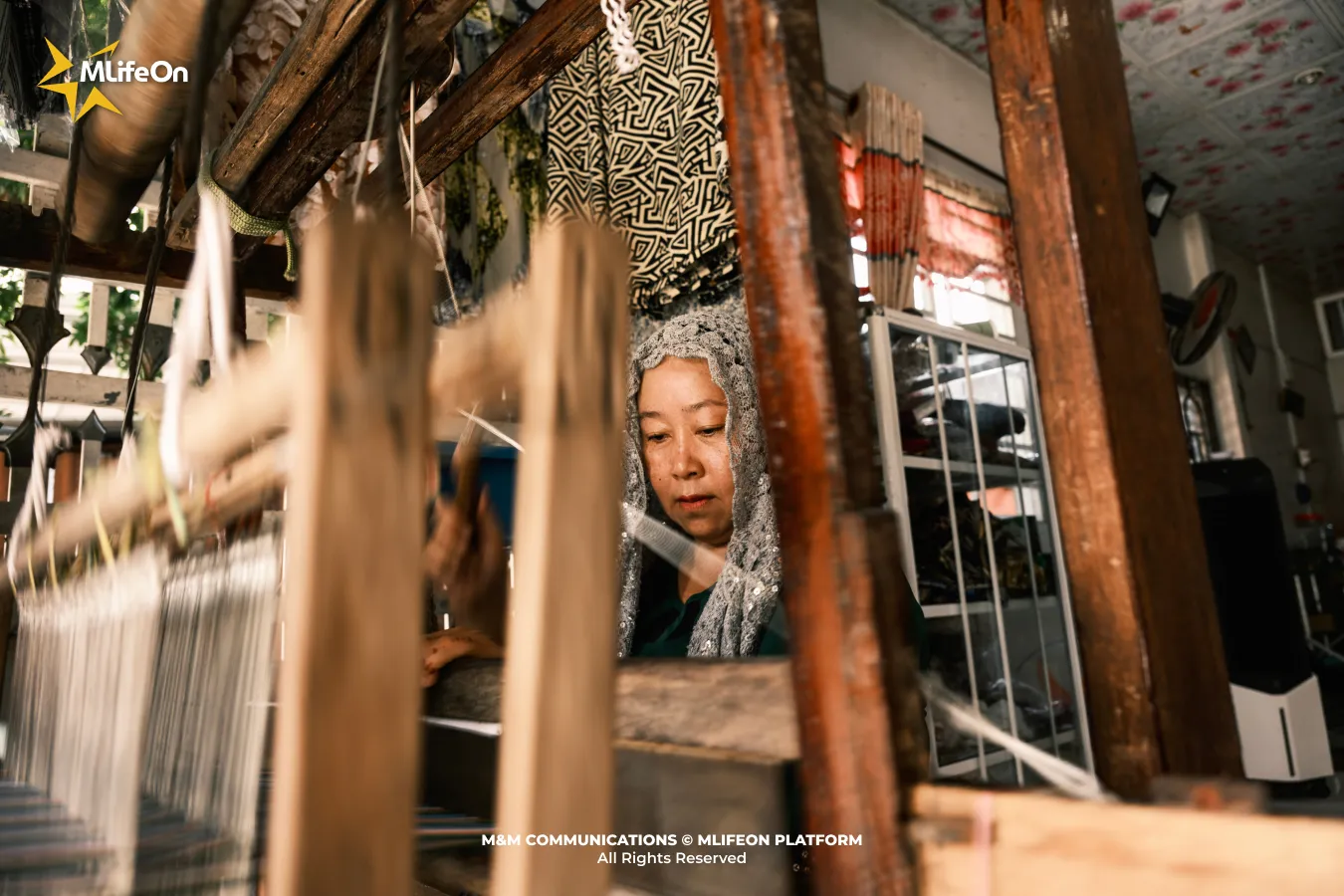
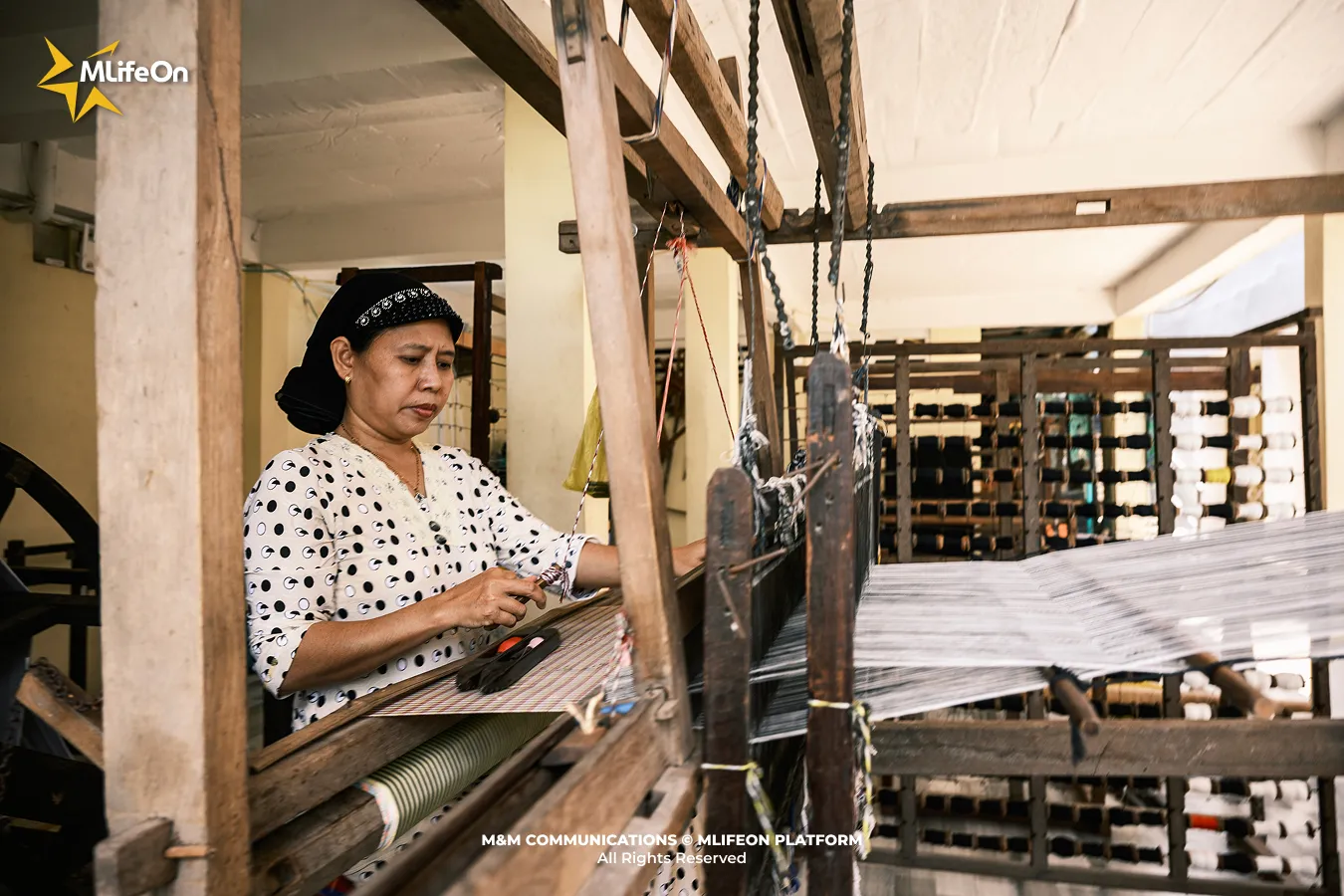
For Cham women, brocade weaving is more than a means of earning a living. It is tied to childhood memories, family bonds, and personal growth. Many learn the craft at a young age, sitting beside their mothers and grandmothers, watching repetitive motions until they can complete a piece on their own.
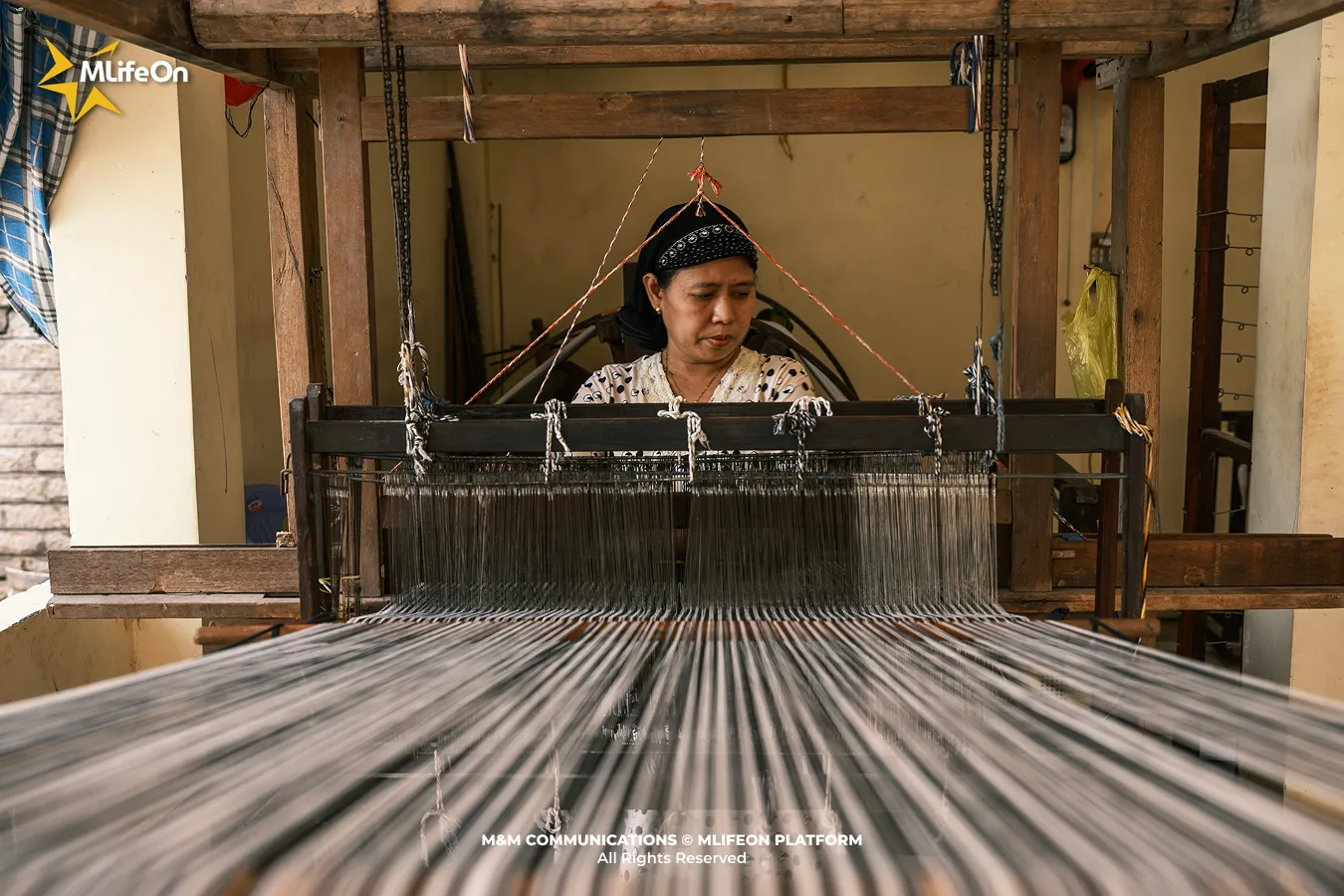
Weaving spaces are modest: just a corner of the house with natural light and the shuttle’s soft clatter. Within these humble settings, traditional patterns are preserved through memory and oral transmission, not books or sketches.
Cham brocade weaving – A heritage preserved by hand
The brocade weaving craft of the Cham people in An Giang has been recognized as a National Intangible Cultural Heritage. For the villagers themselves, however, its true value lies not in official titles, but in its continued presence in daily life.
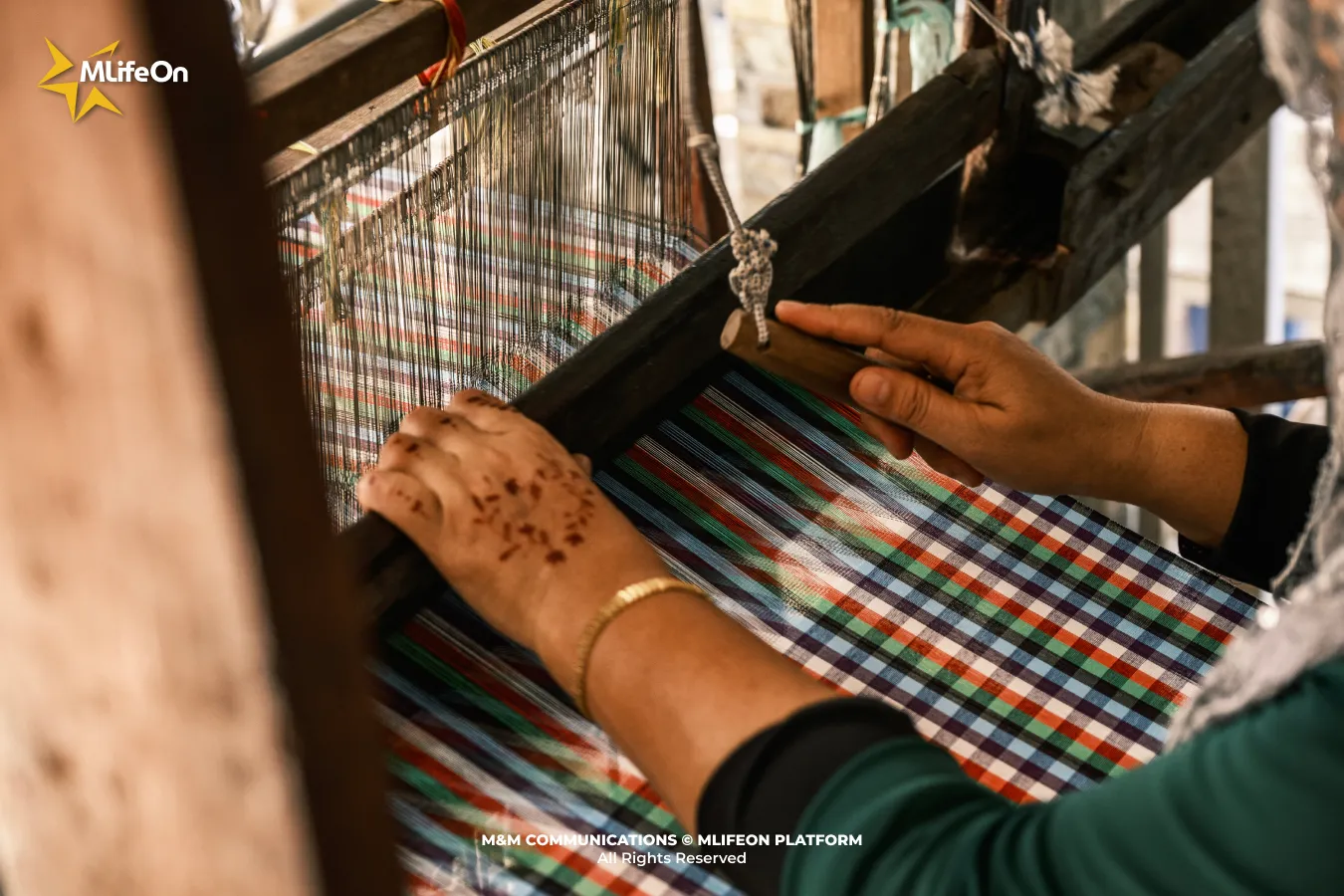
Each brocade textile is the result of meticulous steps: selecting threads, dyeing fibers, setting up the loom, and weaving intricate patterns. Cham motifs often reflect nature, religious beliefs, and communal life repeated across generations like a "memory woven in thread".
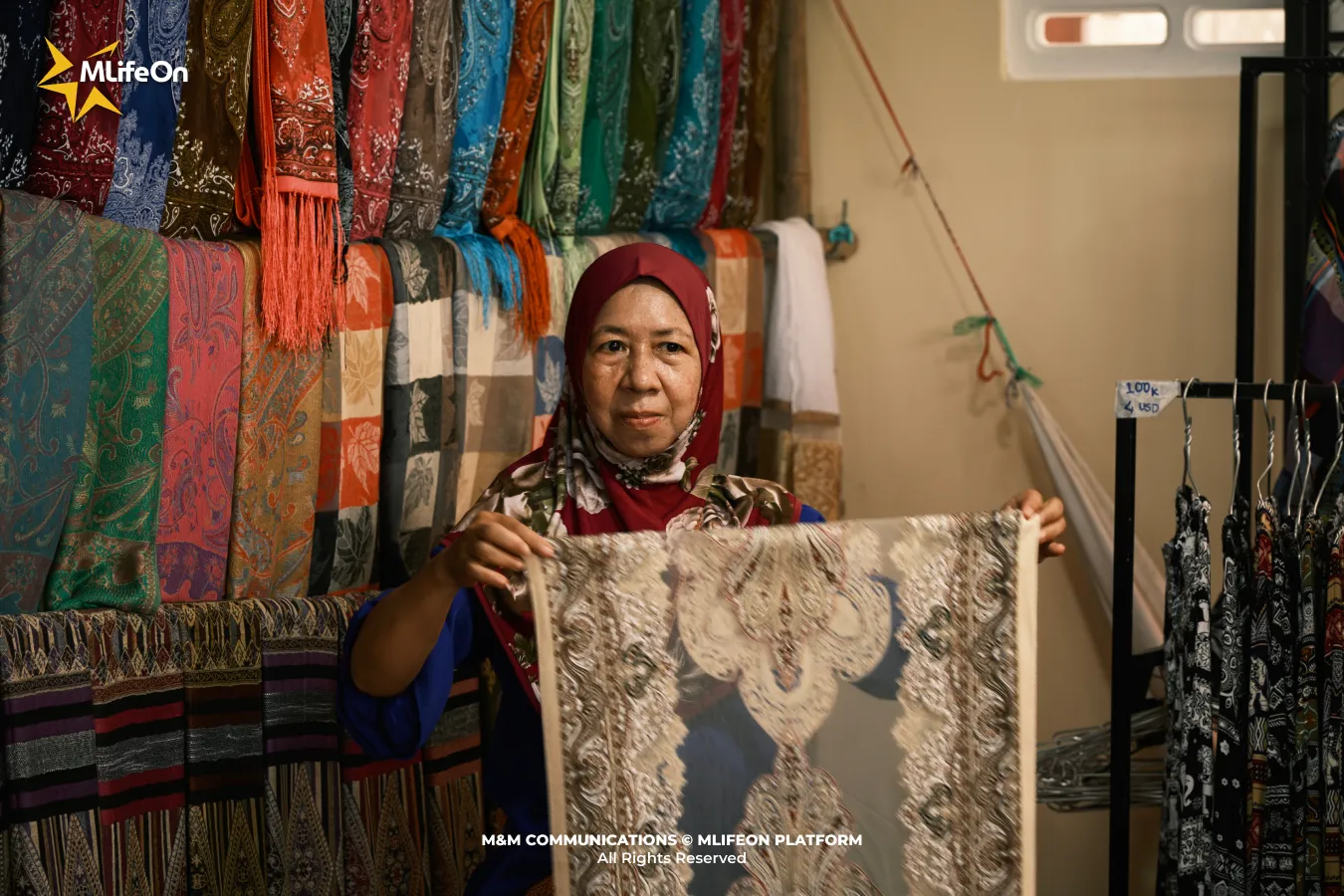
In the face of rapid modernization, weaving no longer provides a substantial income. Yet many Cham women persist in maintaining the craft, believing that weaving brocade is not merely about producing fabric, but about preserving a vital part of their community’s identity.
Keeping the flame alive in a changing world
Today, many young people leave their villages to seek more stable livelihoods elsewhere, placing the weaving tradition at risk of fading away. Still, in many Cham villages across An Giang, women quietly continue the craft, passing it on to their children through patience and daily practice.
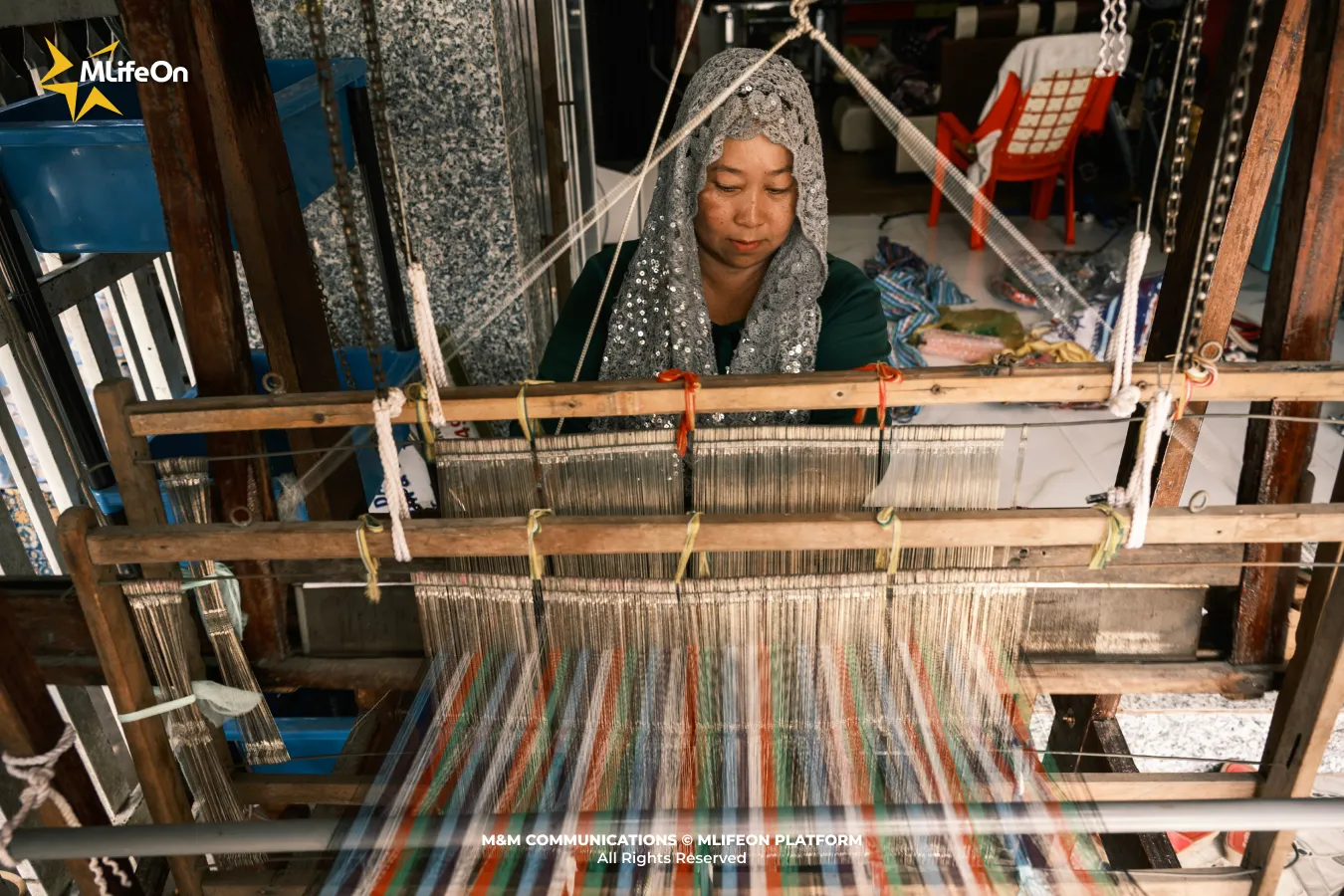
"Keeping the flame alive" here is not a grand slogan. It is the simple act of sitting at the loom each day, teaching each strand and pattern, and trusting that traditional values still have a place in contemporary life.
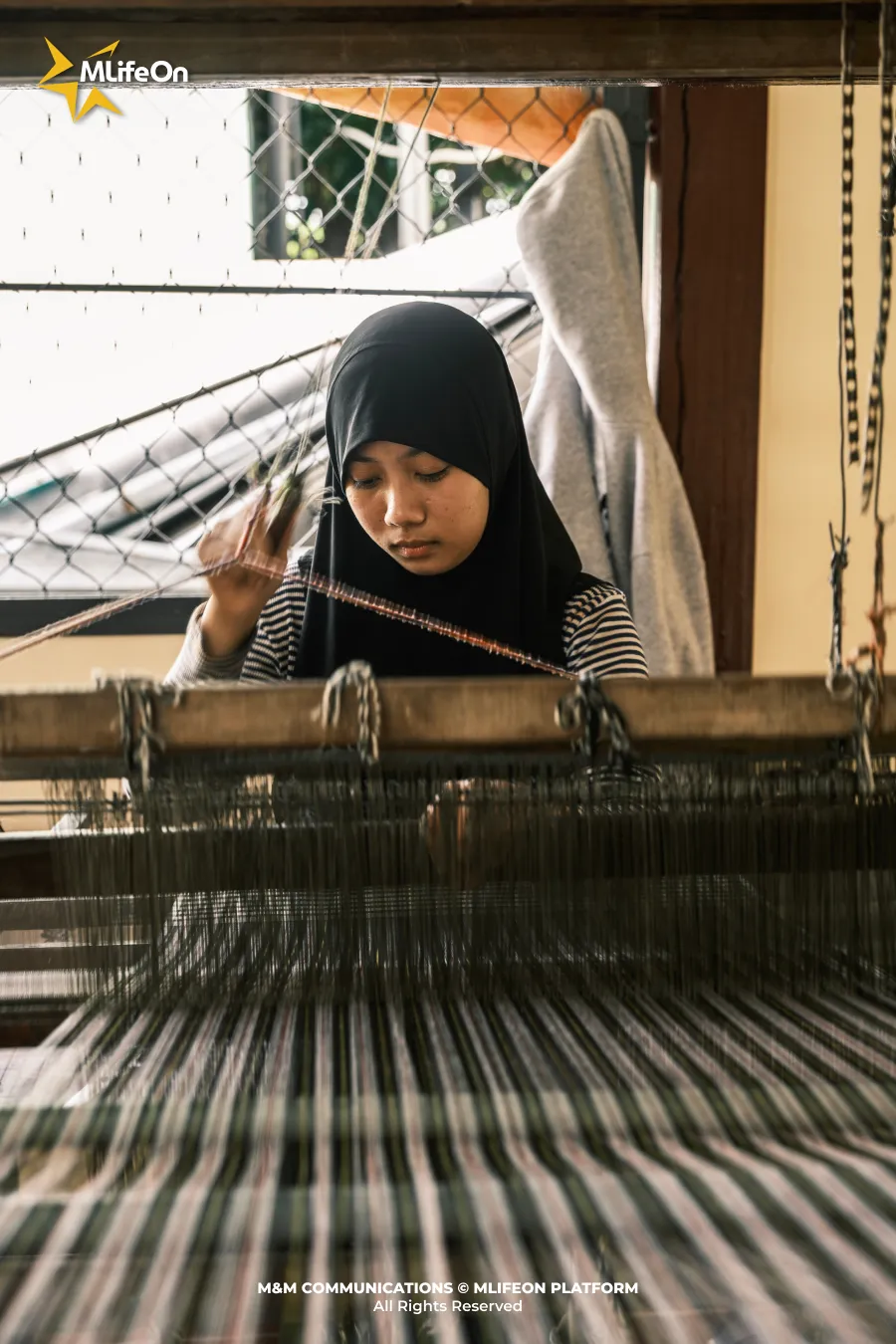
Amid the flow of time, these skilled hands ensure that Cham brocade does not exist merely as a displayed artifact, but remains a living part of the community’s everyday reality.
Conclusion
Cham villages in An Giang do not captivate through bustle or spectacle. Their appeal lies in the way this community sustains its way of life, faith, and daily practices naturally and resiliently along the riverbanks. A single visit is enough to understand how such a distinctive identity continues to endure amid constant change.
—---------
CREDIT:
- Photography: Luan Nguyen
- Content: Hoài Hà
- Design: Phuong Nguyen